

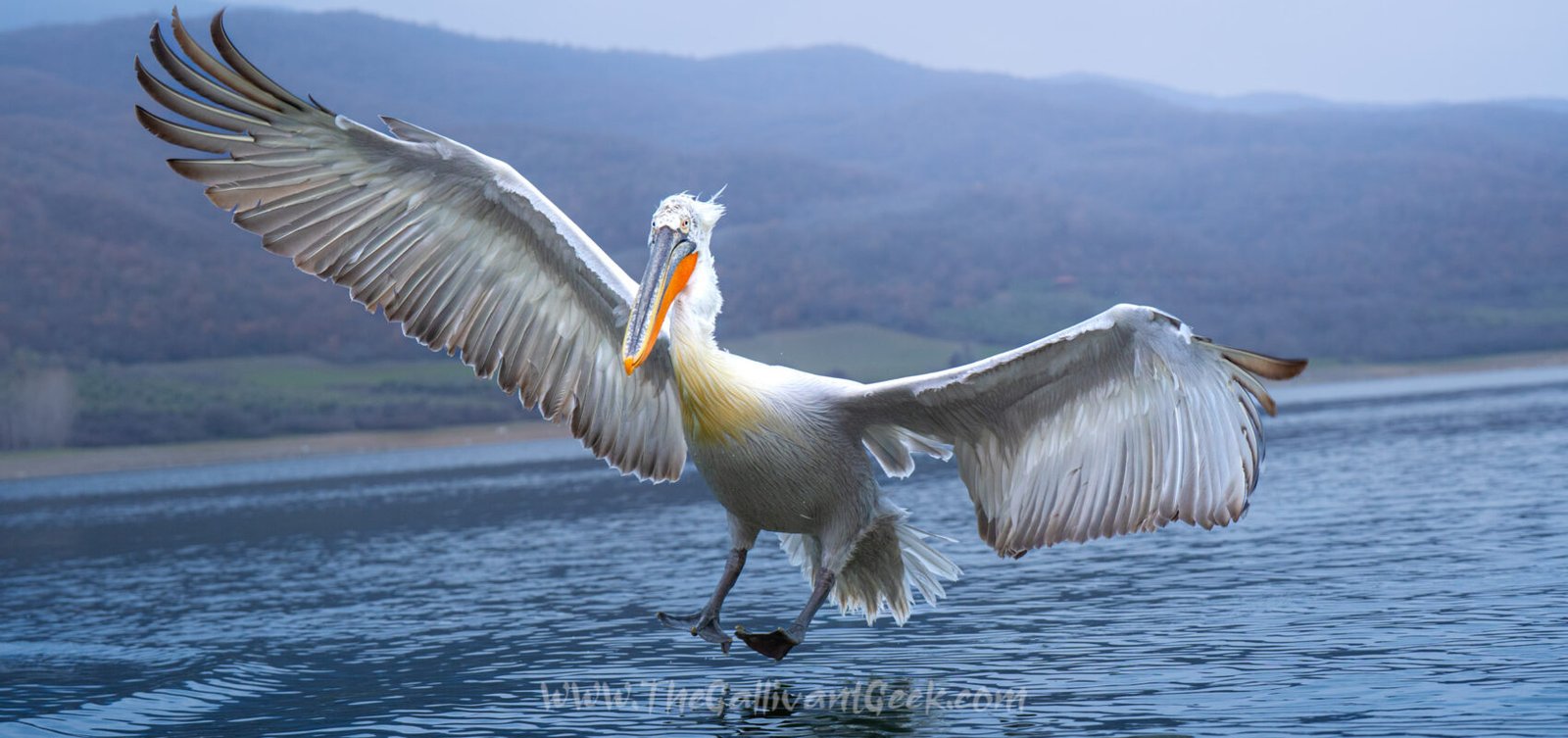
Hundreds of Dalmatian pelicans, a small boat and only two days. That was my weekend at Lake Kerkini in northern Greece, and it became one of the most exciting wildlife photography trips I have ever done.
It was my first time photographing pelicans, and I honestly did not know what to expect. In this post I share my whole Lake Kerkini pelican photography trip: how I planned it in just one month, the camera gear I took, what the boat sessions are really like, and my crazy journey home through the Thessaloniki Carnival.
In This Post
Lake Kerkini Pelican Photography at a Glance
| Details | |
|---|---|
| Location | Lake Kerkini, Serres region, northern Greece, close to the Bulgarian border |
| Nearest airport | Thessaloniki (SKG), about 2 hours by car |
| Main subject | Dalmatian pelican (Pelecanus crispus) |
| Best time | Late winter, roughly January to March, when the pelicans are in breeding plumage |
| My trip | 2 days, 4 photo sessions: 3 on the boat and 1 from the shore |
| How I booked | A local photography tour operator: airport pickup, hotel and boat sessions |
| Camera gear | Sony A7III, Sony A7R IV, Tamron 50-400mm, Tamron 70-180mm, Sony 35mm f/1.8 |
Why Lake Kerkini Is Famous for Dalmatian Pelicans
Lake Kerkini is a reservoir on the Strymonas River, created in the 1930s, under the Belles (Kerkini) mountains near the Greek and Bulgarian border. Today it is one of the most important wetlands in Greece and is protected under the Ramsar Convention.
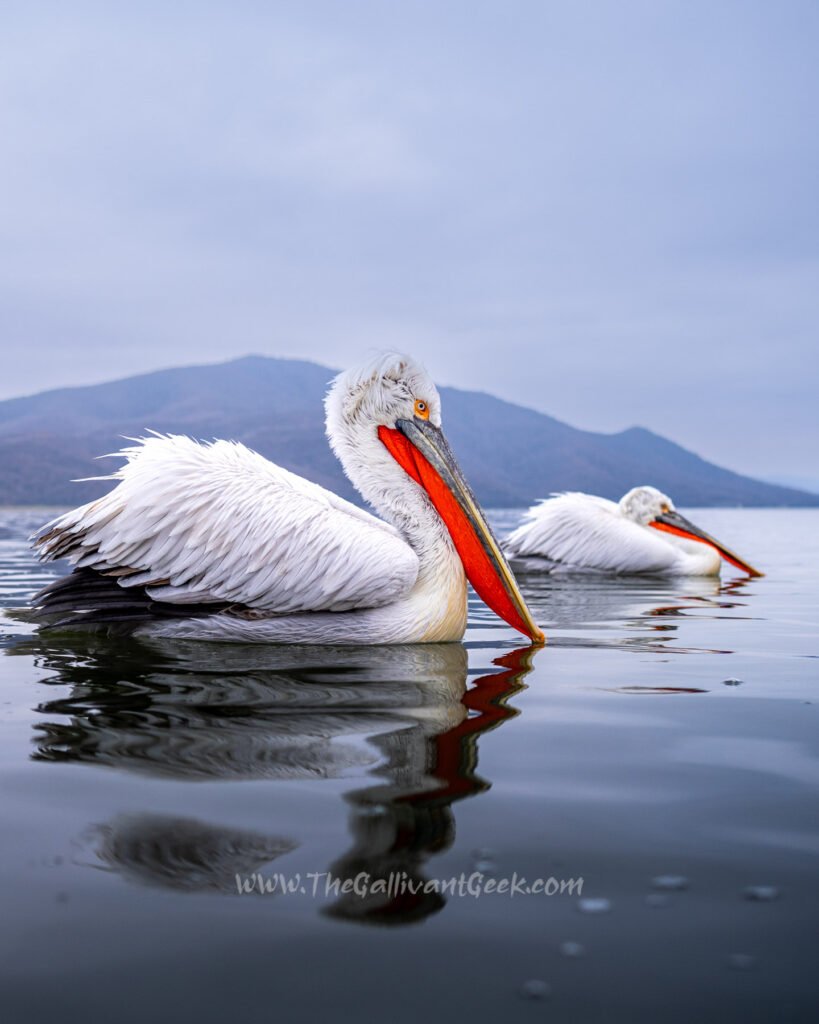
For photographers, the lake is famous for one bird: the Dalmatian pelican. Lake Kerkini is one of the most important wintering sites for the species in Europe, and in winter hundreds of pelicans gather on the water. A few fun facts:
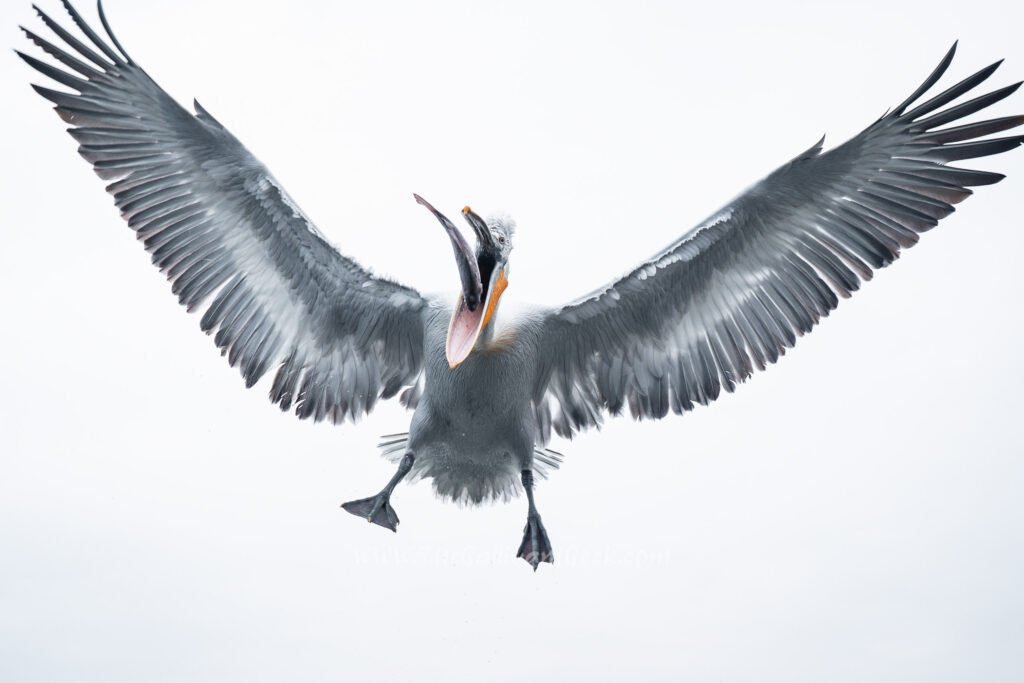
- One of the largest flying birds in the world. The wingspan can reach around 3 metres, and adults can weigh more than 10 kg.
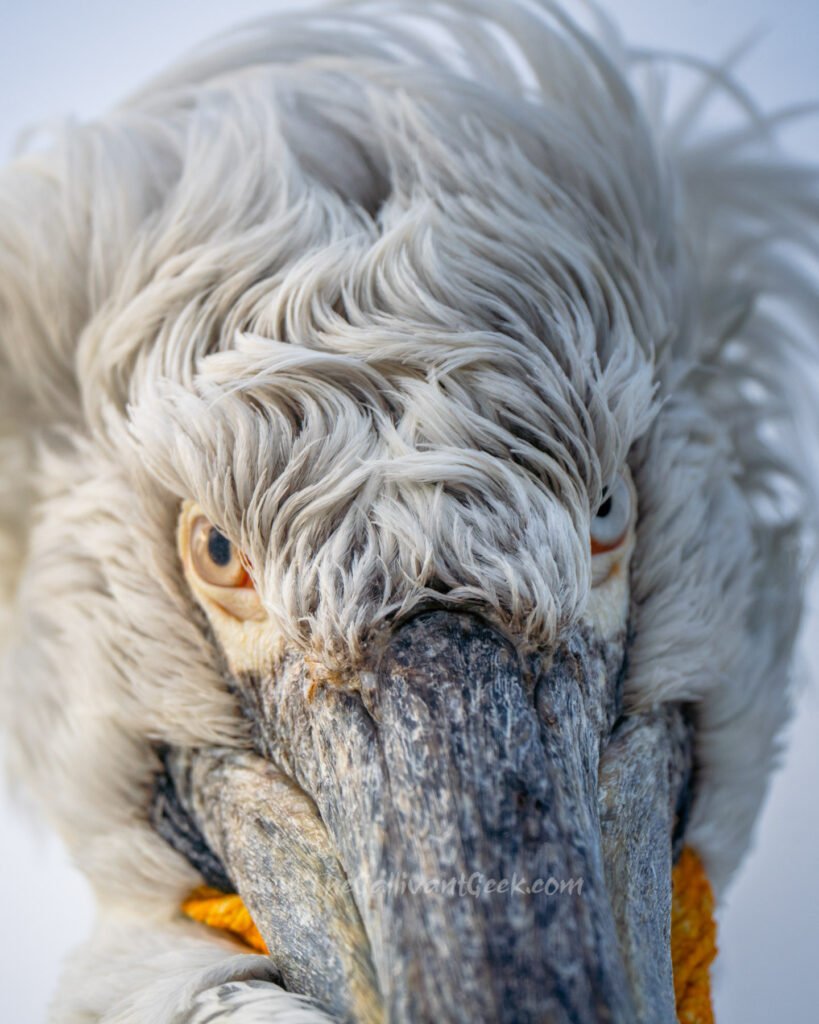
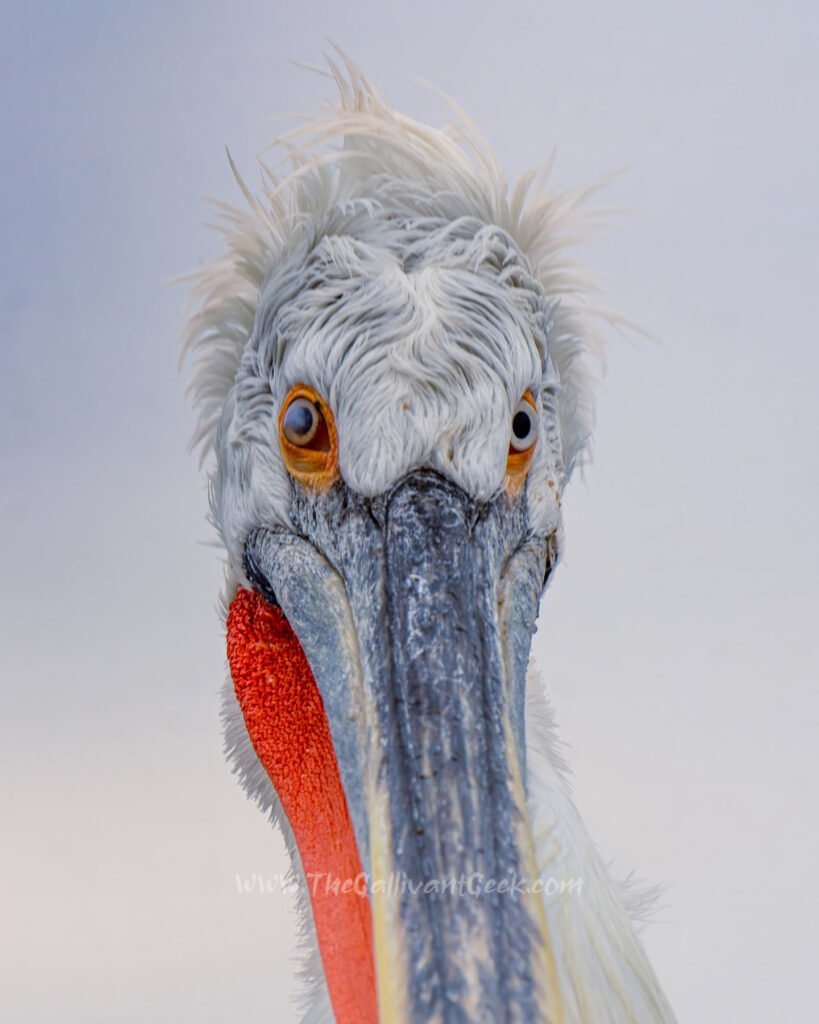
- Curly hair. The Latin name crispus means curly. In breeding season they grow messy, curly feathers on the head and neck, which look amazing in close-up photos.
- An orange pouch in late winter. In the breeding season the pouch under the bill turns bright orange-red. This is the main reason photographers visit between January and March.
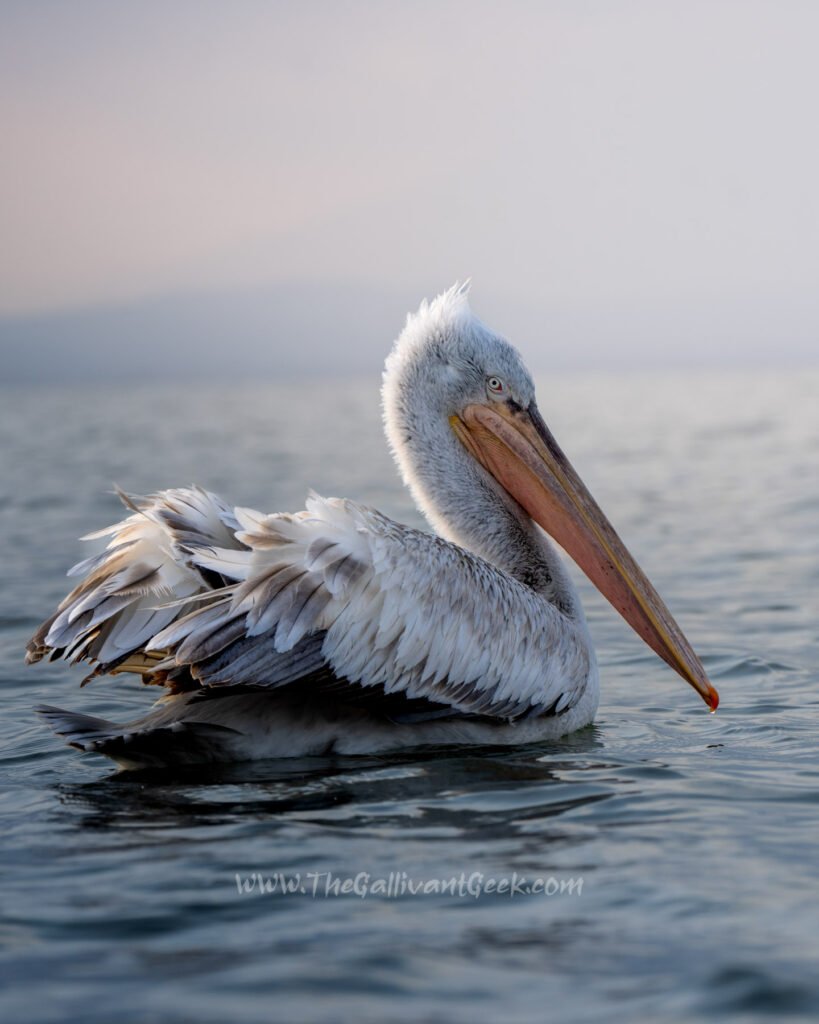
- Silvery-white plumage and a pale eye. This helps you tell it apart from the great white pelican, which also visits Kerkini.
- A conservation success story. The species is still listed as Near Threatened by the IUCN, but nesting platforms on the lake and years of protection have helped the Kerkini population grow.
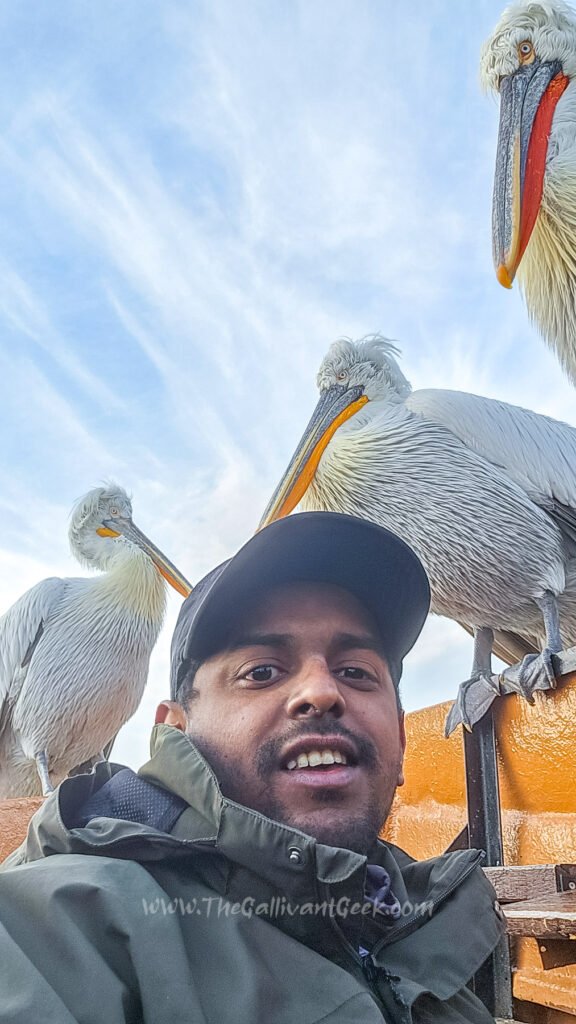
- Used to boats. Local fishermen have shared their catch with the pelicans for years, so the birds are comfortable around boats. That is why you can get so close.
The lake is not only about pelicans. You can also see great cormorants, pygmy cormorants, herons, egrets and the famous water buffalo grazing along the shore.
Planning a Last-Minute Pelican Photography Trip
I did not plan this trip a long time in advance. Just one month before, I suddenly decided I wanted to photograph pelicans at Lake Kerkini. I started looking for local tour providers and flights from Stockholm to Thessaloniki, and then everything happened very fast. Within a few days I had chosen a tour operator and booked my flight ticket.
The plan was simple: a weekend only. Fly in on Saturday morning, do as many photo sessions as possible, and fly home early on Monday morning.
Tip: if you are short on time, choose a tour that includes airport pickup, hotel and boat sessions. Lake Kerkini is not easy to reach by public transport, and a local operator knows the boat captains, the best spots and the light.
My Camera Gear for Dalmatian Pelican Photography
Like on my Kenya safari, I took two camera bodies so I could keep two different lenses ready and never change lenses on a moving boat. Here is everything I packed:
- Sony A7R IV. The 61 MP sensor gives lots of room to crop and shows every detail in the curly feathers.
- Sony A7III. My second body, with fast autofocus and clean files at higher ISO in the early morning.
- Tamron 50-400mm. My main lens. The pelicans come very close to the boat, sometimes too close, so a zoom from 50 to 400mm was perfect: wide for the flock, tight for portraits.
- Tamron 70-180mm f/2.8. Light and bright, great for birds right next to the boat and for low light.
- Sony 35mm f/1.8. For wide shots of the boat, the lake and the mountains, and later for the streets of Thessaloniki at night.
- GoPro HERO9 and DJI Osmo Action 4. Mounted on the boat for behind-the-scenes video.
- iPhone and Samsung phone. For quick snaps, short videos and stories.
Day 1: From Stockholm to Lake Kerkini
My flight left Stockholm at 6 am on Saturday, and I landed in Thessaloniki at around 10 am. A driver was waiting for me at the airport, and we started the two-hour drive north to Lake Kerkini. On the way we stopped for a quick lunch at a small local restaurant.
We reached the hotel at around 1 pm. The hotel owner welcomed me personally and the staff showed me to my room. He was a really nice and kind person, and that warm feeling stayed with me the whole weekend. I was a bit tired after the early flight, so I rested for about an hour. Our first boat tour was planned for 2:45 pm, and before leaving I was offered a sandwich, which was very welcome.
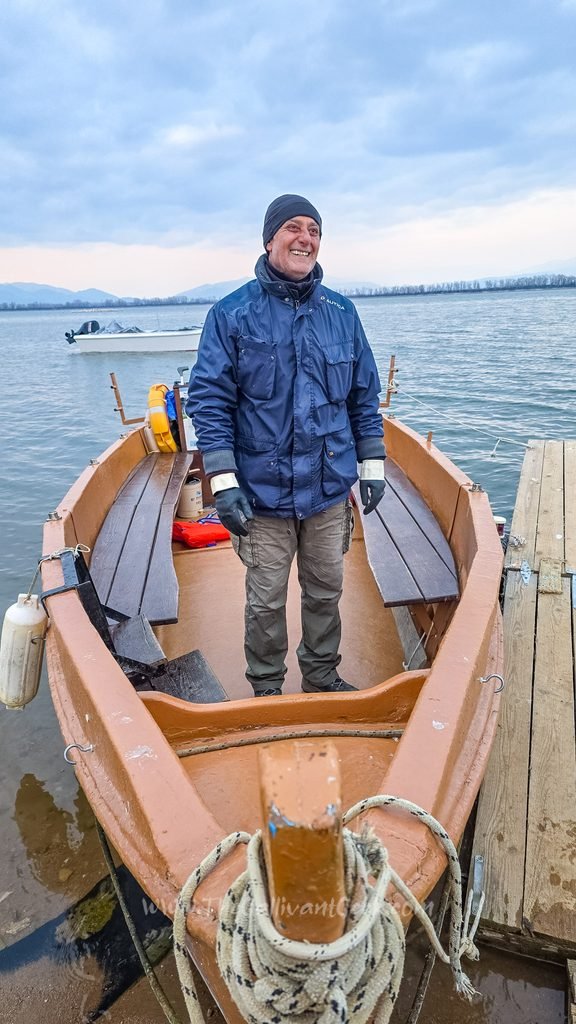
A few other photographers were staying at the same hotel, and the hotel staff drove all of us to the lake. There we met our boat captain, who was also our guide for every session.
My First Pelican Boat Tour on Lake Kerkini
I set up my action camera on the boat to capture some behind-the-scenes footage. You can watch the video here:
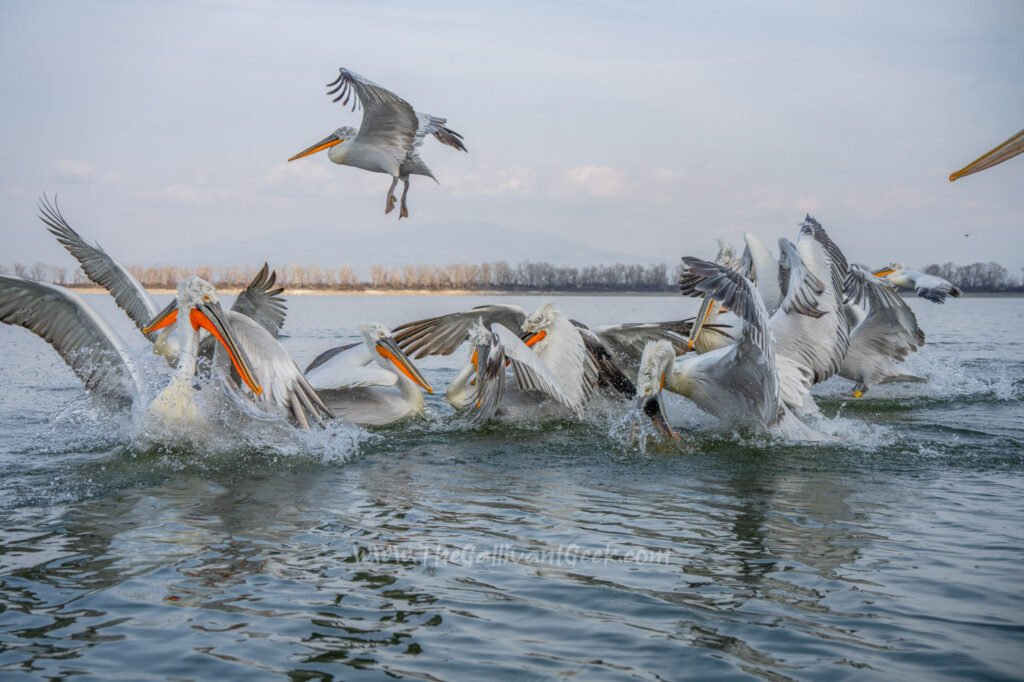
Since this was my first pelican photography trip, I was not sure what to expect. A few minutes after we left the shore, we started seeing pelicans nearby. Then the guide began throwing fish into the water, and the pelicans came really close to the boat. Some of them stayed right next to us, just a few metres away. There were hundreds of pelicans on the lake.
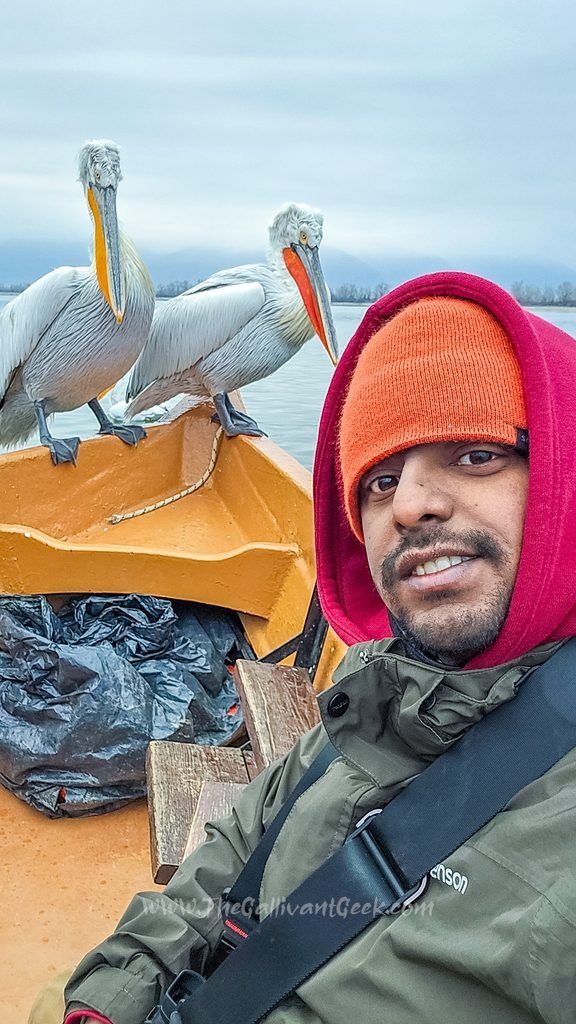
What a Lake Kerkini Boat Tour Is Like
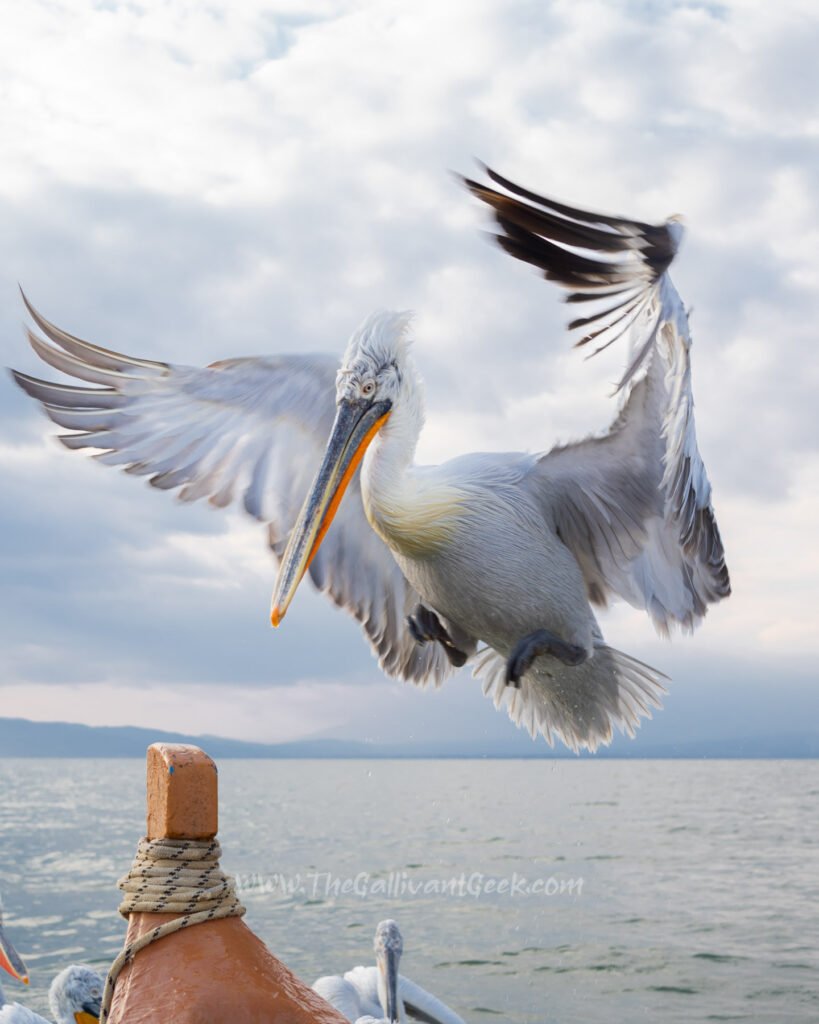
Photography boat tours here usually use small boats with only a few photographers on board, so everyone has space to move. The captain positions the boat for the light and throws fish to bring the pelicans in. In one session you get a bit of everything: portraits, birds landing on the water, wings wide open, fights over fish, and big flocks lifting off the lake with the mountains in the background.
I really enjoyed every minute of it. We finished the boat ride at around 6 pm. It was winter, so daylight was limited and the light faded quickly.
Tip: don’t trust the forecast. The temperature was between 10 and 18°C, but on the lake it felt very cold. The boat is fully open, you are surrounded by water and it is often windy, so the wind chill gets to you quickly, especially when you sit still for hours. Dress much warmer than you think you need.
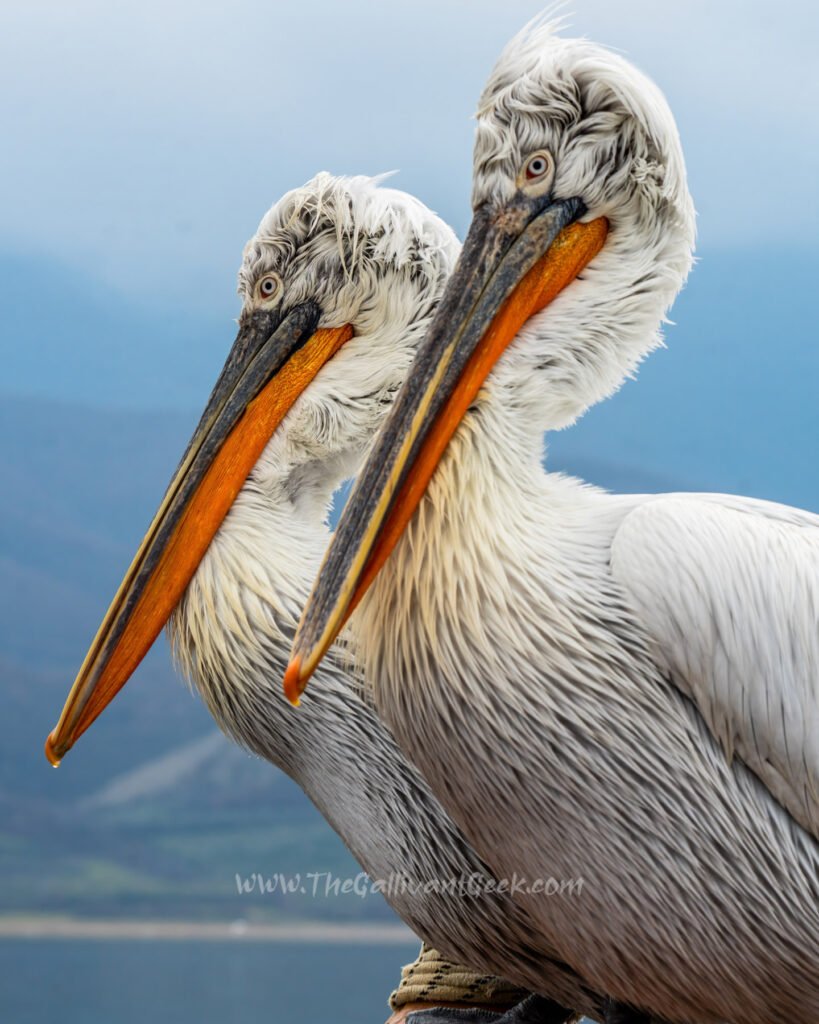
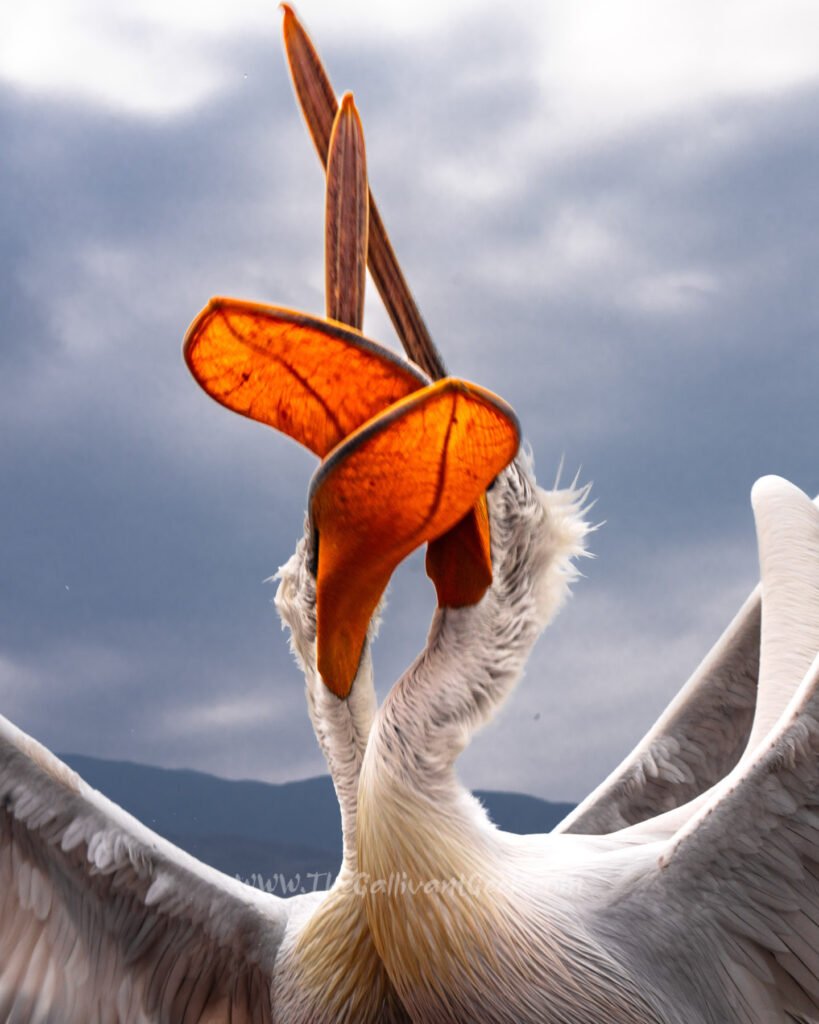
Back at the hotel I rested a little, and then I went to a nearby restaurant with all the other photographers. I had fried fish and some fresh salads, and it was lovely to share stories and photos with people who love the same thing.
After dinner I transferred all my files to my SSD and went straight to bed, because the next session started early.
Day 2: Morning Session on Lake Kerkini
The morning session started at around 7 am. We had a quick sandwich and a coffee, then headed to the lake and started shooting. Early morning on the lake is special: soft light, calm water and pelicans all around the boat. We finished at around 10 am.
A Private Session from the Shore
After the boat session the other photographers left, but I had requested a short session on the shore so I could take photos and video from a different angle, closer to eye level with the birds. It was only 30 minutes, but it was so worth it. The guide threw some fish, a few pelicans came very close, and I got some of my favourite shots of the trip.
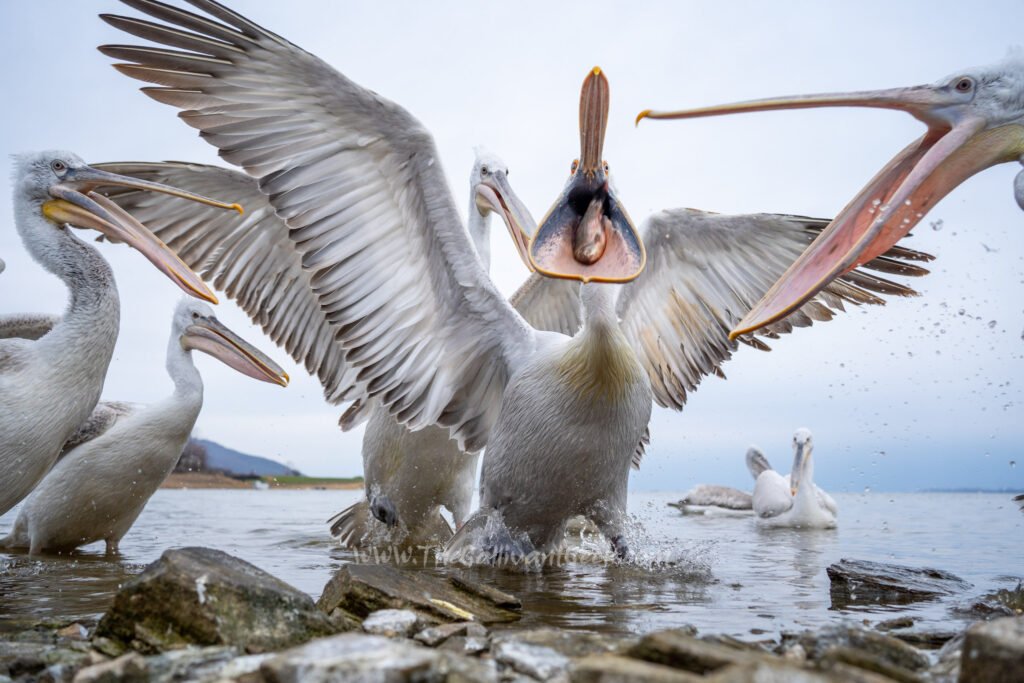
Tip: ask your tour operator about a shore session. Shooting from the shore gives you a lower angle and a cleaner background, and it is a nice change from the boat.
Then we went back to the hotel for breakfast. It was a nice breakfast with lots of options, and after a long, cold morning I could finally fill my tummy.
Looking for Little Owls Around Lake Kerkini
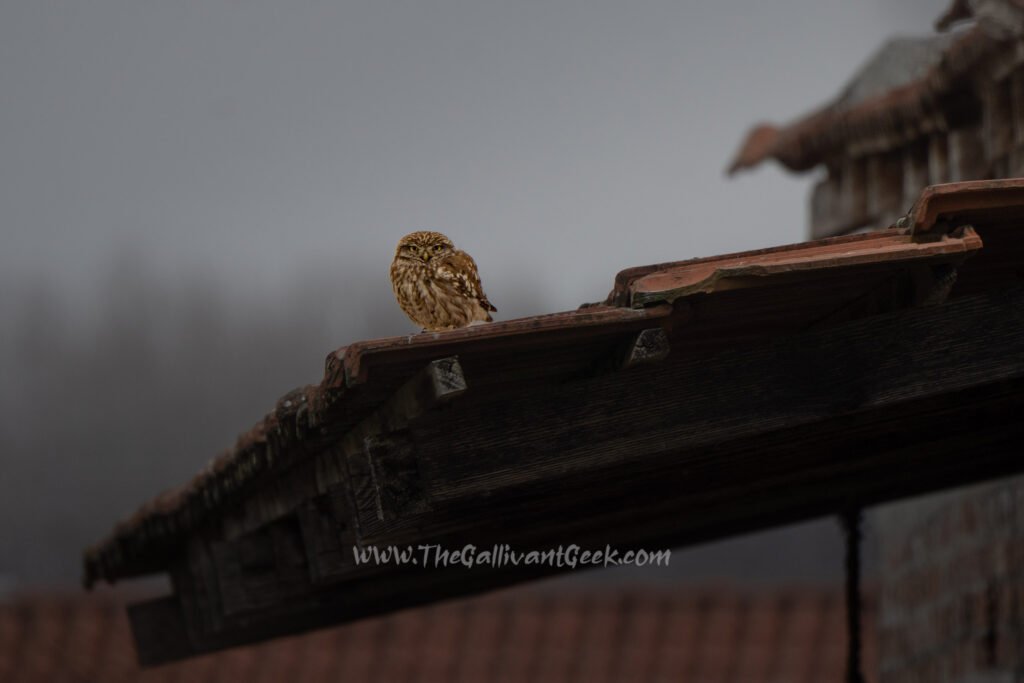
After about 30 minutes of rest we went out to look for owls. The hotel owner told us that several little owls live in the area, so we drove around the nearby villages. After a while we spotted one little owl sitting on a roof. We took a few shots before it flew away. We had no luck with any other owls, so we went back to the hotel.
My Last Boat Session
The final boat tour started at 3 pm and finished at around 5:30 pm. It was my last session, and I tried to enjoy every moment with the pelicans before saying goodbye to the lake.
From Lake Kerkini to Thessaloniki by Village Bus
My flight was early the next morning, so I decided to take the bus to Thessaloniki. I packed my things, and the hotel owner called the village bus office to confirm there was a bus at 18:20. He then drove me to the bus stop and helped me buy the ticket.
He even told me that his friend’s son was taking the same bus, so I could get help from him when changing buses on the way. Very few people in the village speak English, so this was really helpful. Then it was time to say goodbye to the hotel owner, who made the whole weekend feel so welcoming.
- Route: Herakleia (ΗΡΑΚΛΕΙΑ) to Thessaloniki (ΘΕΣΣΑΛΟΝΙΚΗ), via Sidirokastro (ΣΙΔΗΡΟΚΑΣΤΡΟ)
- My bus: 18:20 from Herakleia, with one change on the way
- Good to know: timetables change, so ask your hotel to check the latest departure for you
The second bus took me into Thessaloniki. From where I got off, it was only a few kilometres to the famous horseshoe of Aristotelous Square, so I walked.
Carnival Night at Aristotelous Square
As I got closer to Aristotelous Square, I heard music. By pure luck I had arrived on the big closing night of the Thessaloniki Carnival, with a concert and a party in the square. There were people everywhere in masks and wonderful costumes.
Of course I took out my camera for some street photography. To be honest, I felt a bit nervous. In Stockholm I take street photos freely and nobody complains, but here I was not sure how people would react, so I was more careful. I also took some photos of the music show.
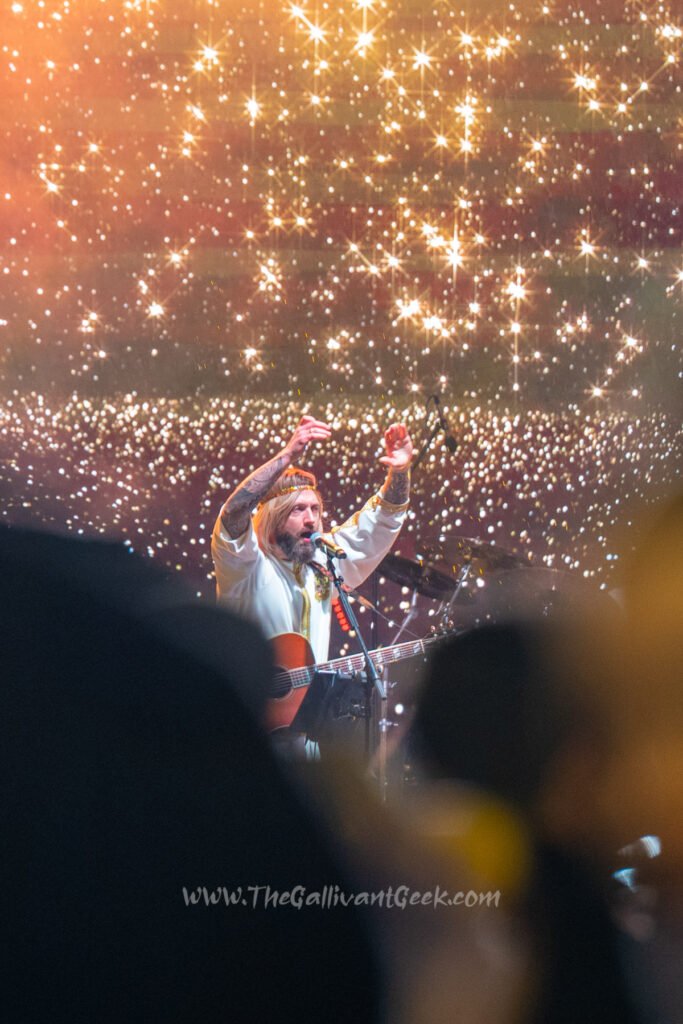
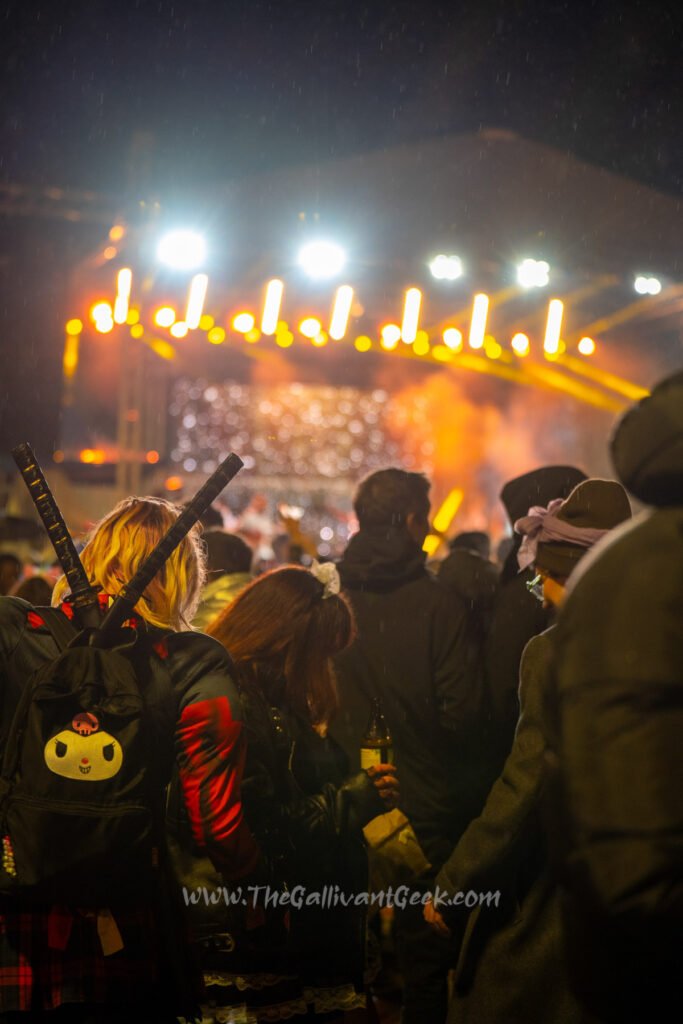
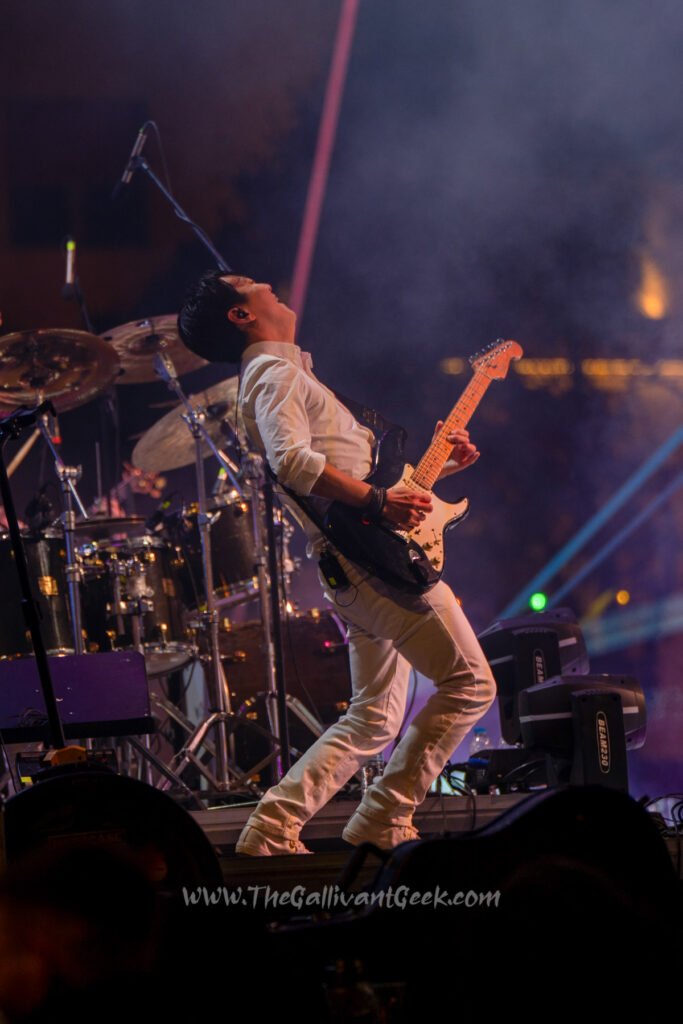

Around 11 pm I went to a nearby restaurant and enjoyed a good meal, then took a taxi to the airport. The map showed a 25-minute ride, but my taxi driver drove like he was in Formula 1. We reached the airport in less than 10 minutes!
A Night at Thessaloniki Airport
I had plenty of time before my flight. Thessaloniki airport is not very big, and at night most of the gates were empty. I was allowed through to my gate, so I found a row of chairs, lay down and slept for about an hour. I was the only person there, so I tied my bags to me, just to be on the safe side.
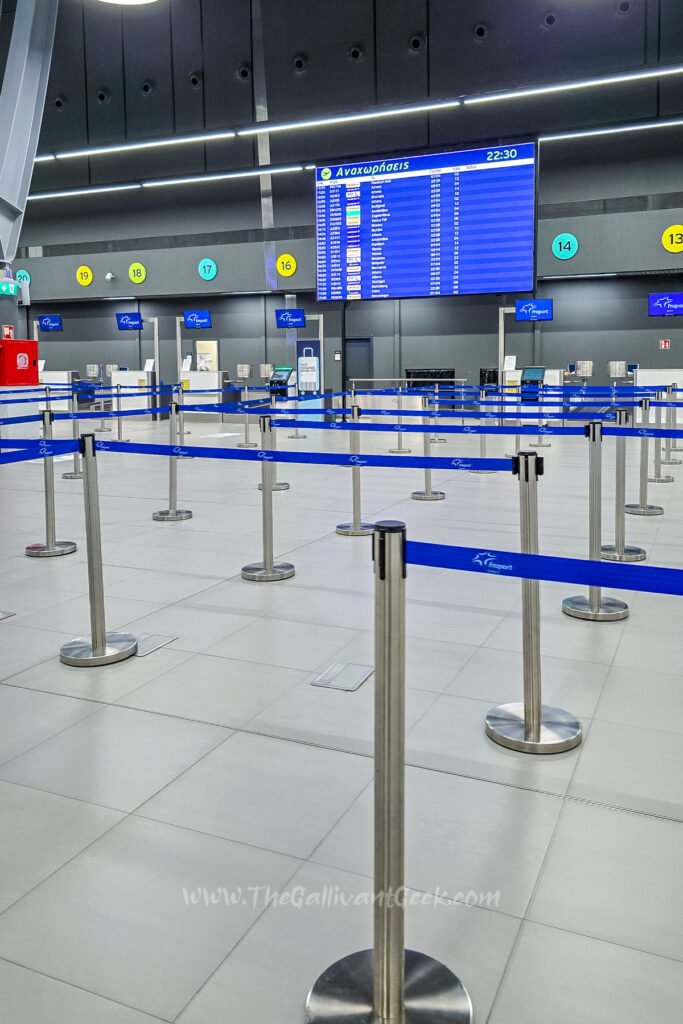
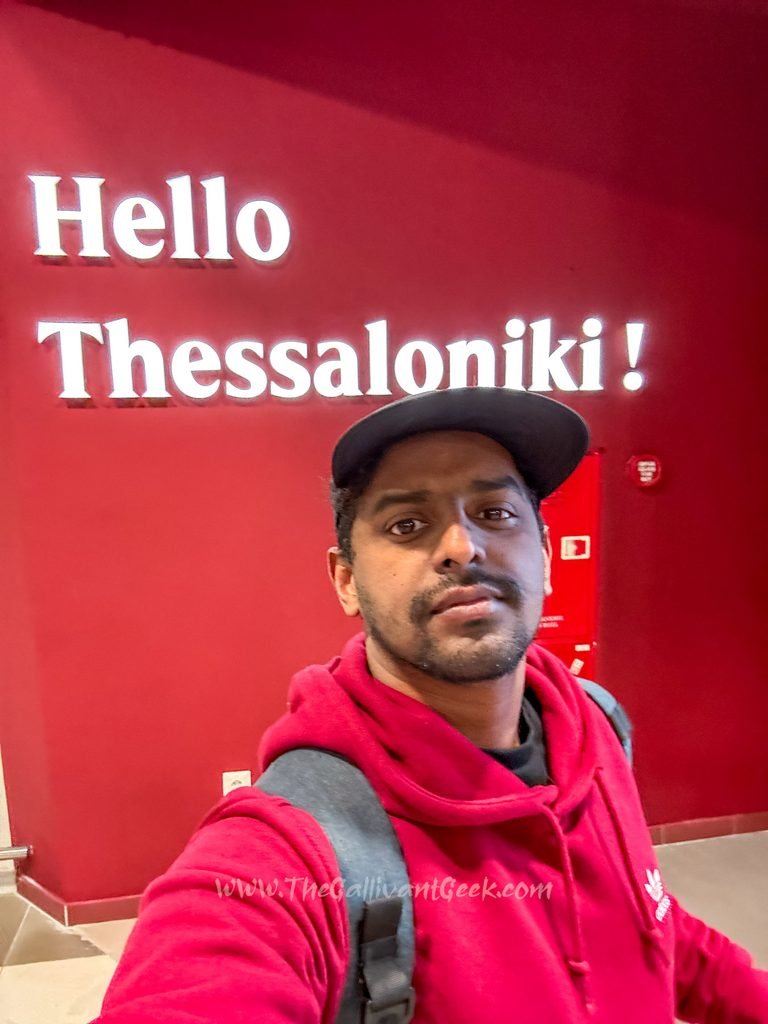
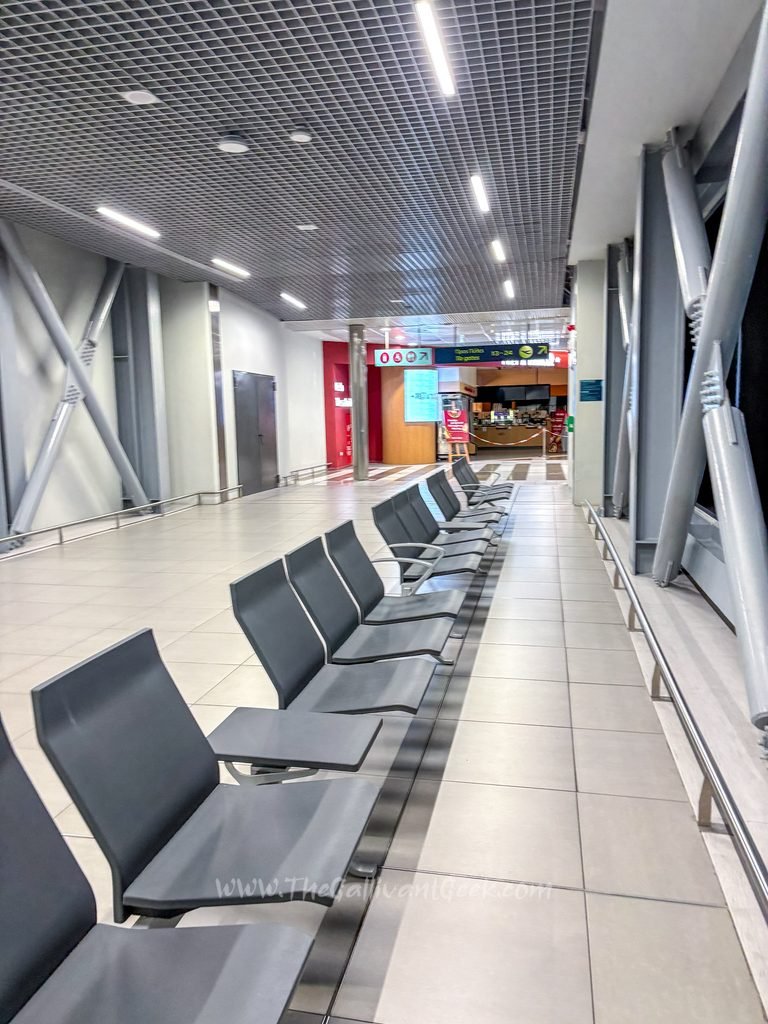
At around 3 am people started arriving. I went to the washroom to freshen up, then spent the waiting time going through the photos I had taken. Then it was time to board and fly back home to Stockholm.
Tips for Dalmatian Pelican Photography at Lake Kerkini
- Go in late winter. January to March is the best time for breeding plumage and bright orange pouches.
- Bring a flexible zoom. The birds come very close, so a 70-200mm range is very useful. A lens that reaches 400mm or more is great for portraits and birds further away.
- Use a fast shutter speed. Around 1/2000 s or faster freezes wing flaps and birds in flight. Use continuous autofocus with tracking.
- Shoot wide too. A 35mm lens shows the pelicans with the boat, the lake and the mountains, which tells the story better.
- Dress warmer than the forecast. Even at 10 to 18°C it feels very cold on the open boat, with wind and water all around you. Wear thermal layers, a windproof jacket, gloves and a warm hat.
- Bring lots of storage. I came home with almost 1 TB of photos and videos in just two days. Back up every night.
- Set up an action camera. Mount a GoPro or Osmo Action on the boat to capture behind-the-scenes video while you shoot.
- Respect the birds. Follow your guide, stay seated in the boat and avoid sudden movements.
Lake Kerkini Pelican Photography FAQ
Where is Lake Kerkini?
Lake Kerkini is in the Serres region of northern Greece, close to the Bulgarian border. It is about 2 hours by car from Thessaloniki airport.
When is the best time to photograph Dalmatian pelicans at Lake Kerkini?
Late winter, roughly January to March. This is when the pelicans have their curly breeding feathers and bright orange-red pouches.
How close can you get to the pelicans?
Very close. The boat guides throw fish, and the pelicans often come within a few metres of the boat. Sometimes they are too close for a long lens.
What lens do I need for pelican photography at Lake Kerkini?
A flexible zoom such as a 70-200mm or 50-400mm is ideal. You do not need a very long lens, because the birds come so close. A wide lens is great for scenes with the boat and the lake.
Can you visit Lake Kerkini in a weekend?
Yes. I did three boat sessions and one shore session in just two days, flying from Stockholm to Thessaloniki on Saturday morning and home early on Monday.
What should I wear on a Lake Kerkini boat tour?
Dress much warmer than the forecast. Even when it is 10 to 18°C in winter, the open boat, the wind and the water all around you make it feel very cold. Wear thermal layers, a windproof jacket, gloves and a warm hat.
It was just two days, but I came home with almost 1 TB of photos and videos and a big smile. Lake Kerkini was such a nice trip, and I definitely want to go back.
Many of the photos from this trip are available as prints: 👉 Greece Photo Prints – Shutter Story
Love bird photography? Don’t miss my Atlantic puffin photography trip to Runde, Norway, or see the gear I used on my Kenya photo safari.
Join My Next Dalmatian Pelican Photography Trip
Want to photograph Dalmatian pelicans at Lake Kerkini with me? I’m planning to go back, and I’d love a small group of photographers to join my next trip. Send me a DM on Instagram at @mnmshakir and I’ll share the details.

[…] enjoy wildlife photography, don’t miss my Atlantic puffin photography trip to Runde, Norway or my Lake Kerkini pelican photography weekend in […]