

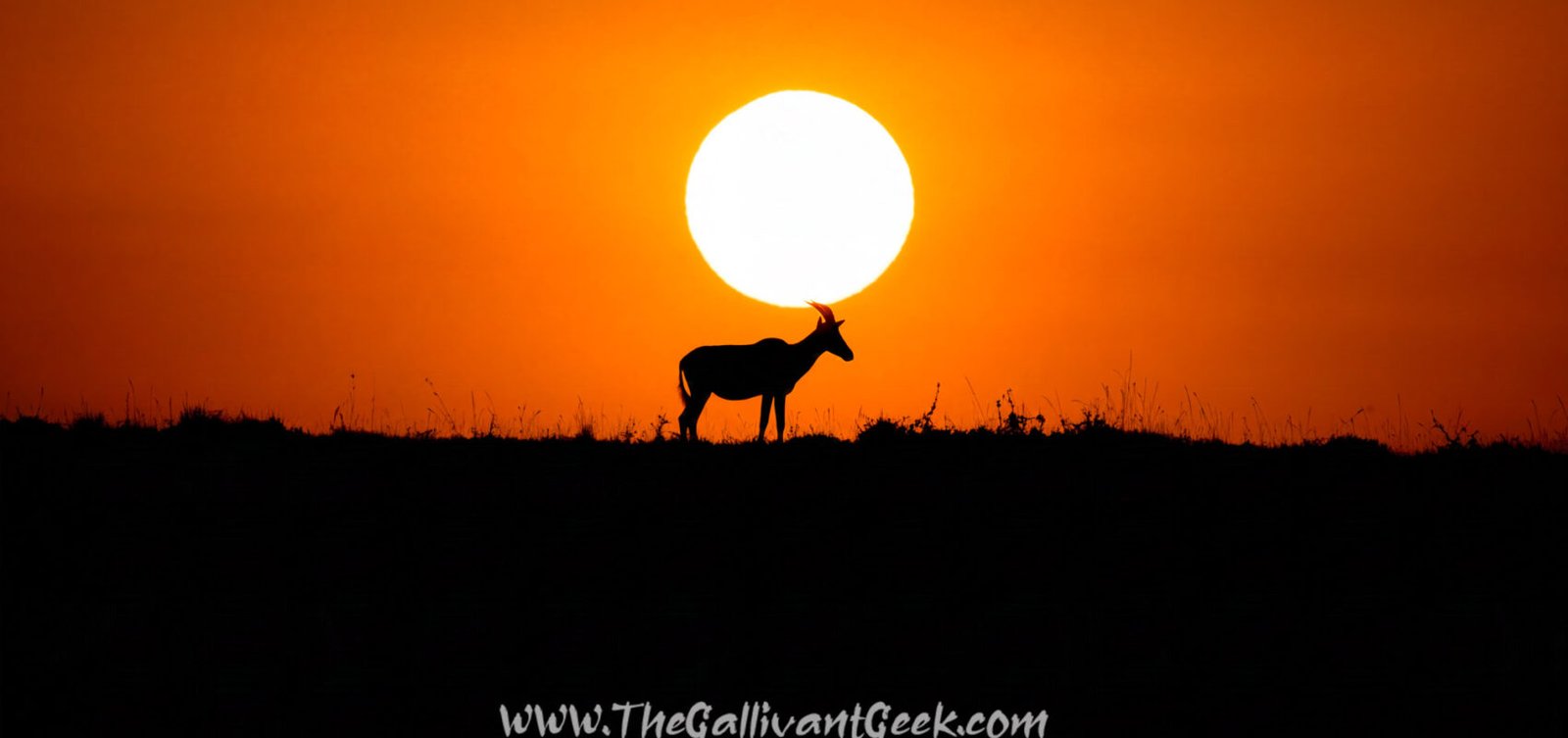
Ever since I bought my Sigma 150-600mm Sport lens, one place kept showing up in every wildlife photography video I watched: the Masai Mara. For years it was just a dream on my list. Then one day, over a coffee break, I mentioned it to a friend from work, half expecting a polite nod. Instead he said: “Yes. Let’s plan it.”
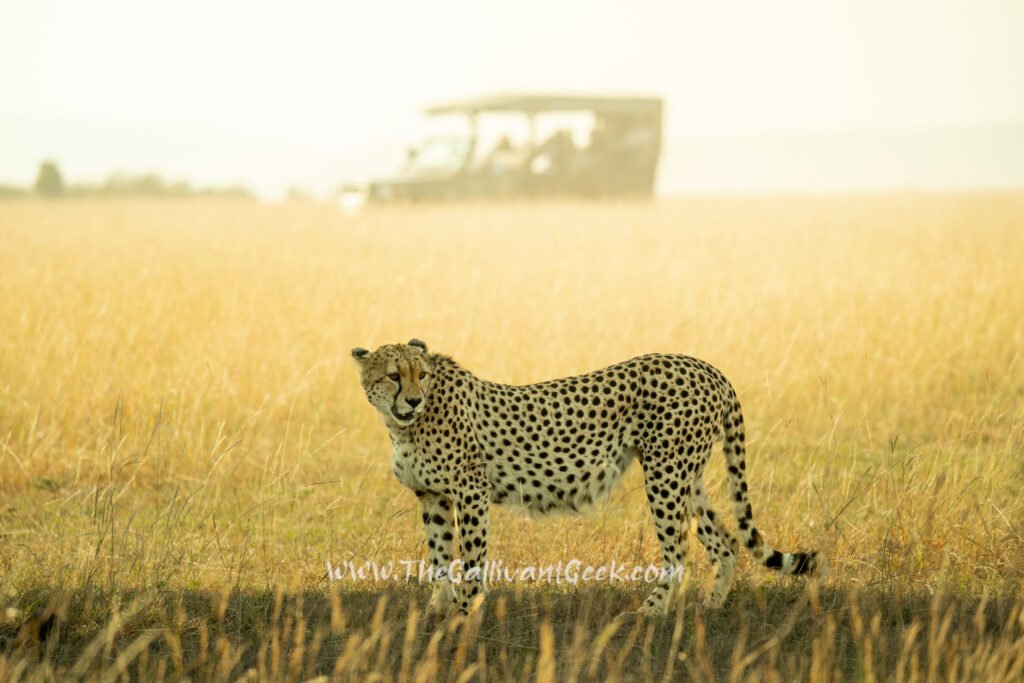
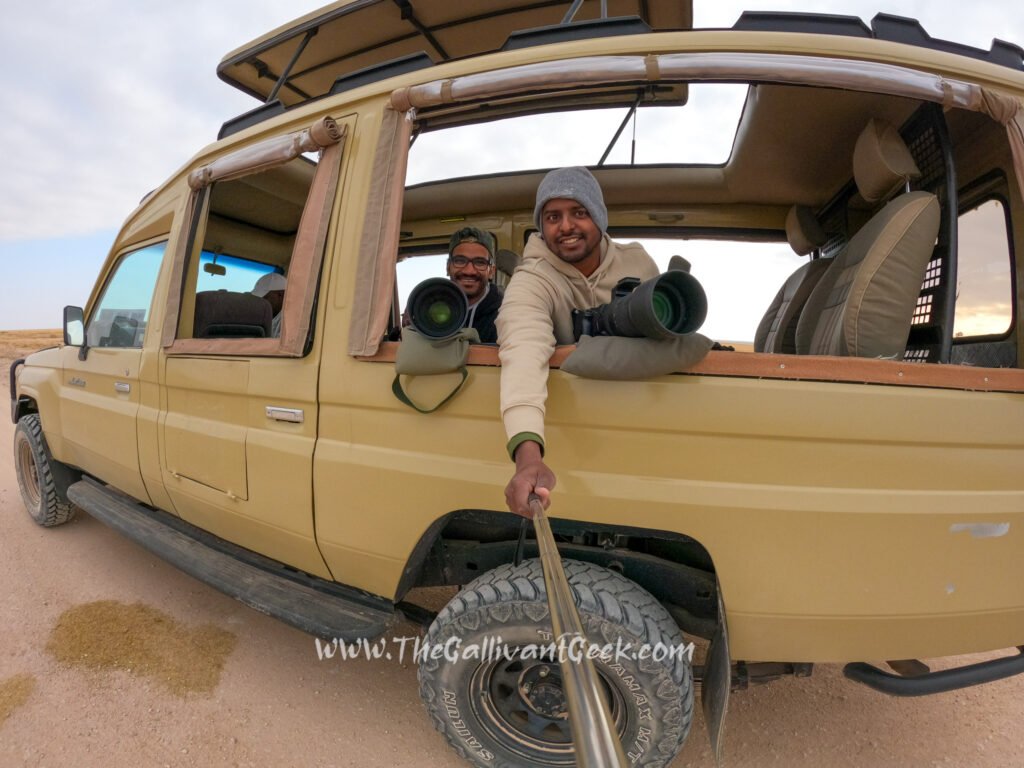
That’s how two photographers went from a casual chat to nine days on safari in Kenya. This post covers everything you need to plan a Kenya safari, based on what we did before the trip: how we compared tour operators, chose the parks, booked flights, handled the entry paperwork, and what the whole thing cost. If you’re planning your first Kenya photo safari, I hope it saves you a few evenings of research.
In This Post
How to Plan a Kenya Safari: Tour Operator or DIY?
Our first big decision was whether to plan everything ourselves or go through a local safari operator. After watching a lot of videos and reading trip reports, the answer was clear for a first visit: a tour operator makes Kenya much easier. Distances between parks are long, roads can be rough, and park fees, lodges, transfers and a guide all need to line up. With an operator, one booking covers all of it.
I contacted more than ten providers for quotes on 7 to 10 day trips, and my friend reached out to several others at the same time. It sounds like a lot, but it was the best way to understand what a fair price looks like and which companies actually answer questions properly.
Tip: send every operator the same short brief: dates, parks, private or shared vehicle, room type and budget. Then you can compare the quotes line by line instead of comparing apples and oranges.
Choosing the Parks: Masai Mara and Beyond
We started with one name, the Masai Mara, but quickly learned that Kenya has much more to offer. We added:
- Amboseli National Park, famous for its big elephant herds and views of Mount Kilimanjaro
- Lake Nakuru National Park, a rhino sanctuary with flamingos and plenty of other wildlife
- Lake Naivasha, a freshwater lake known for its birdlife, which we kept as an optional extra
We also asked the operators for different park orders and compared the itineraries they sent back. The route we ended up with, Amboseli → Lake Naivasha → Lake Nakuru → Masai Mara, worked really well. You can read how each day went in our 9-day Kenya safari itinerary.
What’s Usually Included in a Kenya Safari Package
Most quotes looked similar at first glance. The differences were in the details, so it helps to know what is normally included and what is not:
| Usually included | Usually not included |
|---|---|
| 4×4 Land Cruiser with pop-up roof (private or shared) | Drinks that are not part of the buffet |
| Park entry fees | Laundry service |
| English-speaking professional driver-guide | Tips for your guide and camp staff |
| Full-board meals, plus packed lunches on full-day game drives | Extra excursions, like a Maasai village visit |
| Accommodation (twin share or single room) | Hot air balloon safari |
| Drinking water during game drives | International flights |
| Airport pick-up and drop-off | |
| Road transfers between parks |
What Makes a Kenya Safari More (or Less) Expensive
Prices varied a lot between operators, and it mostly came down to a handful of choices:
Private vehicle or shared group
Shared group tours are cheaper, but you share the vehicle, the window seats and the decisions about how long to stay at a sighting. For photography, we chose a private vehicle. With just the two of us, we had room to move around and shoot from both sides, and our guide could wait as long as we wanted for the right moment. For wildlife photographers, I think it’s worth the extra cost. A bonus of having the vehicle to ourselves: we asked our driver to put a mattress on the floor, so we could sit comfortably on the floor instead of bending our backs on the seats to take photos. It never hurts to ask your operator.
Room type
A single room costs more than sharing. We shared a twin room, which kept the price down.
Lodges inside or outside the park
Staying inside a park is usually more expensive, but it means you can be out on a game drive at sunrise and stay until sunset without driving in and out every day. At Lake Nakuru and in the Masai Mara we stayed inside the park, and those early starts gave us some of our best light and sightings.
Road or fly between parks
You can fly from Nairobi’s Wilson Airport to the Masai Mara in about 45 to 60 minutes, while the drive takes around 5 to 6 hours. Flying saves time but costs much more: one-way fares are typically around USD 150 to 230 per person, and luggage limits on the small planes are strict. To keep our budget in check, we went by road for all transfers, which was included in our package.
Season
July to October is peak season in the Masai Mara because of the Great Migration. Flights, lodges and park fees are all higher then. More on that below.
Kenya Park Entry Fees Today
Park fees are usually included in a safari package, but they make up a big part of the price, so it’s useful to know them. These are the current rates for non-resident adults per day:
| Park | Non-resident adult fee | Note |
|---|---|---|
| Amboseli National Park | USD 90 | Same rate all year |
| Lake Nakuru National Park | USD 90 | Same rate all year |
| Masai Mara National Reserve | USD 100 / USD 200 | Low season January to June / high season July to December |
Fees have gone up noticeably since our trip, especially in the Masai Mara, where the high-season rate is now double the low-season rate. If you’re travelling during the migration, factor this in.
Why We Chose July: The Great Migration
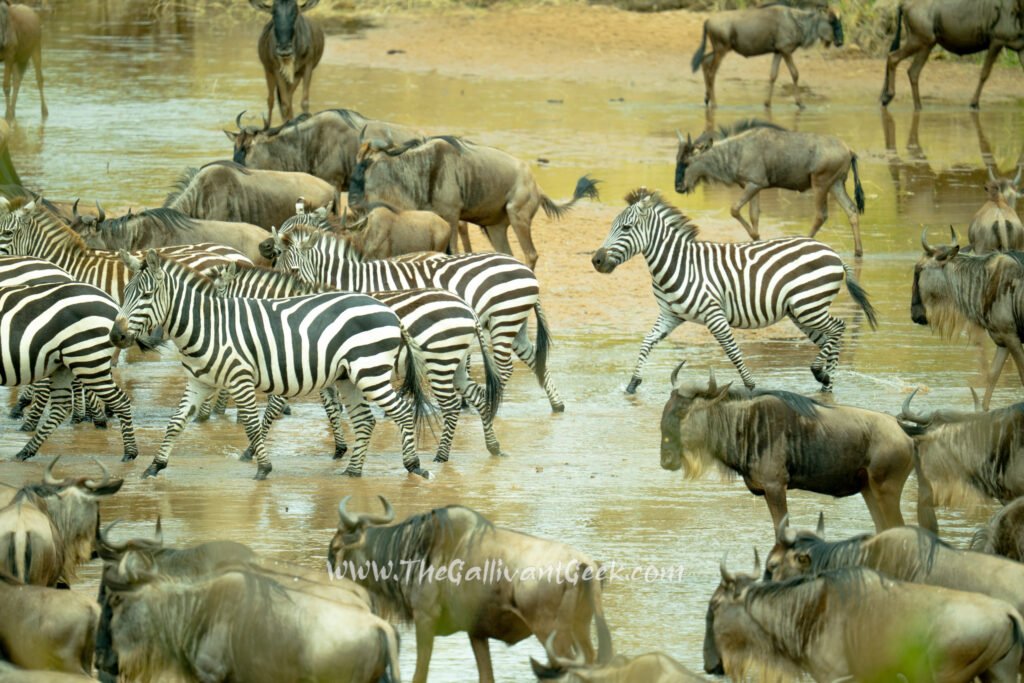
We timed our trip for mid-July, the start of the Great Migration season in the Masai Mara. Every year, around 1.5 million wildebeest, together with hundreds of thousands of zebras and gazelles, move between Tanzania’s Serengeti and the Mara in search of fresh grass. The herds usually start arriving in Kenya from late June, and the famous river crossings are most likely between July and October.
For wildlife photographers, this is the ultimate season: huge herds, predators everywhere and the chance of a dramatic crossing on the Mara River. The trade-off is that it’s the busiest and most expensive time to go. You can read what we actually saw in our five days in the Masai Mara.
Hot Air Balloon Safari: Why We Skipped It
Many visitors add a sunrise hot air balloon flight over the Masai Mara. It’s a beautiful experience, usually costing around USD 450 to 650 per person including a bush breakfast. We skipped it: our main focus was wildlife photography from the ground, and I had already done a hot air balloon ride in Sri Lanka, so we put that money into more time in the parks.
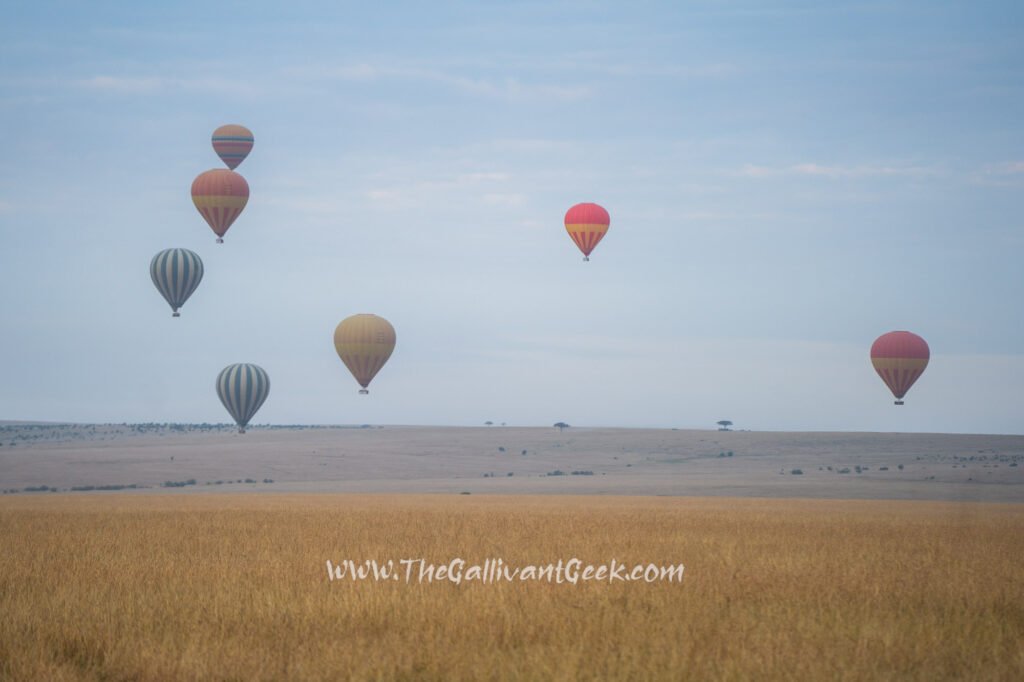
We still got to enjoy the balloons, though. On our early-morning game drives we could see lots of them floating over the Mara at sunrise, and honestly, watching so many balloons fill the sky is a beautiful sight in itself. Flying in one simply wasn’t the main aim of this trip.
Booking Flights to Nairobi
We flew into Nairobi (Jomo Kenyatta International Airport) with a connection in Istanbul. Because we travelled in peak migration season, flights cost us around 12,000 SEK per person.
A few things that helped us:
- Search on Skyscanner or Google Flights with flexible dates to see the cheapest days.
- Weekday departures are often cheaper than weekends and holidays.
- Book your flights before you finalise the safari. Our flight times meant we had to adjust the plan to 8 nights and 9 days, and our operator was flexible enough to rework the itinerary for us.
Entry Requirements: Kenya’s eTA
When we travelled, most nationalities needed an e-visa (around USD 50), and mine was approved in three days. Kenya has since replaced the e-visa with an Electronic Travel Authorisation (eTA) for most visitors. Here’s what you need to know:
- Apply online on the official site, etakenya.go.ke, and avoid look-alike agent websites.
- The standard eTA costs USD 30 and is non-refundable.
- Apply at least 3 days before you travel. Standard processing is around three working days.
- You’ll need a valid passport, a recent passport photo or selfie, your flight itinerary and proof of accommodation, such as your safari booking.
- A clear photo in everyday clothes is fine. You don’t need a studio photo.
Also check the yellow fever rules for your route. I cover that, and other health tips, in my Kenya safari tips post (coming soon).
What Our Kenya Safari Cost
All in, our trip cost about USD 5,000 per person for the safari package and international flights. That was for 8 nights / 9 days in peak migration season, with a private vehicle, a shared twin room and lodges inside the parks at Lake Nakuru and the Masai Mara.
When you plan a Kenya safari, also budget for tips, drinks, souvenirs and optional extras like the Lake Naivasha boat ride (we paid USD 30 each). As a rough guide, many travellers tip their driver-guide around USD 10 to 20 per person per day, and camp staff around USD 10 to 15 per person per day, in cash.
My Top Tips to Plan a Kenya Safari
- Get several quotes and compare them line by line.
- Choose a private vehicle if photography is your main goal.
- Stay inside the parks where you can, for sunrise and sunset drives.
- Book flights first, then fix the safari dates around them.
- Travel with someone who shares your patience for wildlife. Waiting 90 minutes for a leopard is only fun if you both want to be there.
- Plan your gear early. My post on the camera gear I took on safari is coming soon.
Kenya Safari Planning FAQ
How much does a Kenya safari cost?
Our 9-day private photo safari in peak season cost about USD 5,000 per person, including international flights. Shared group tours, lodges outside the parks and travelling outside July to October can bring the price down a lot.
Do I need a visa for Kenya?
Most visitors now need an Electronic Travel Authorisation (eTA) instead of a visa. Apply online at etakenya.go.ke at least 3 days before travel. The standard fee is USD 30.
Is it better to fly or drive between Kenyan parks?
Flying from Nairobi to the Masai Mara takes about an hour and is much faster, but it costs more and has strict luggage limits. Driving takes around 5 to 6 hours and is usually included in safari packages.
When is the best time for a Kenya photo safari?
July to October is the most popular time because of the Great Migration in the Masai Mara. It is also the dry season, which makes wildlife easier to find, but it is the busiest and most expensive period.
Should I choose a private or shared safari vehicle?
For photography, a private vehicle is worth it. You get space to shoot from both sides and can stay at a sighting as long as you like.
Next in this series: our 9-day Kenya safari itinerary, park by park.
Want to bring a piece of the savannah home? My Kenya wildlife photos are available as prints: 👉 Kenya Wildlife Photo Prints – Shutter Story
Join My Kenya Wildlife Photography Tour
Reading this and dreaming of your own safari? I’m putting together a small-group wildlife photography tour to Kenya next summer, in mid-July: about 10 days, timed for the Great Migration, with a photographer’s pace, long days in the field and plenty of time at every sighting. Send me a DM on Instagram at @mnmshakir and I’ll share the details.
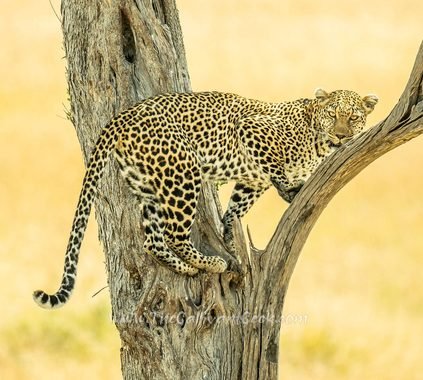
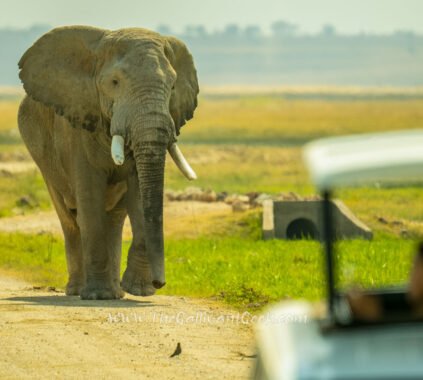
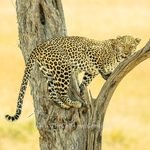

[…] Here’s our complete 9-day Kenya safari itinerary, park by park, with what we saw, how long the drives took and what I’d tell a friend going there. If you want to know how we put the trip together, start with how we planned our Kenya photo safari. […]