9 Days in Kenya: Our Safari Itinerary from Amboseli to the Masai Mara
Our 9-day Kenya safari route, park by park: arriving in Nairobi at 3 a.m., elephants in Amboseli, a boat ride on Lake Naivasha, rhinos at Lake Nakuru and five unforgettable days in the Masai Mara.
At 3 a.m. our plane touched down in Nairobi. By sunrise we were eating our first breakfast on a new continent, and that same afternoon a giraffe walked past our vehicle in Amboseli National Park. Over the next nine days we drove through four parks, saw all of the Big Five and took more photos than my memory cards could hold.
Here’s our complete 9-day Kenya safari itinerary, park by park, with what we saw, how long the drives took and what I’d tell a friend going there. If you want to know how we put the trip together, look out for my post on how we planned our Kenya photo safari (coming soon).
In This Post
Our Kenya Safari Itinerary at a Glance
Day
Route
Overnight
Highlight
1
Nairobi → Amboseli
Amboseli (lodge outside the park)
First giraffe, elephants and ostriches
2
Amboseli
Amboseli
45 minutes with Craig, the super tusker
3
Amboseli → Lake Naivasha → Lake Nakuru
Lake Nakuru (lodge inside the park)
Boat ride, fish eagle and kingfisher
4
Lake Nakuru → Masai Mara
Masai Mara (tented camp inside the reserve)
Rhinos, flamingos and a lion family
5–8
Masai Mara
Masai Mara
Leopard, cheetahs, lions and the migration
9
Masai Mara → Maasai village → Nairobi
Night flight home
Last lions and a village visit
8 nights / 9 days by road, with a private vehicle and driver-guide
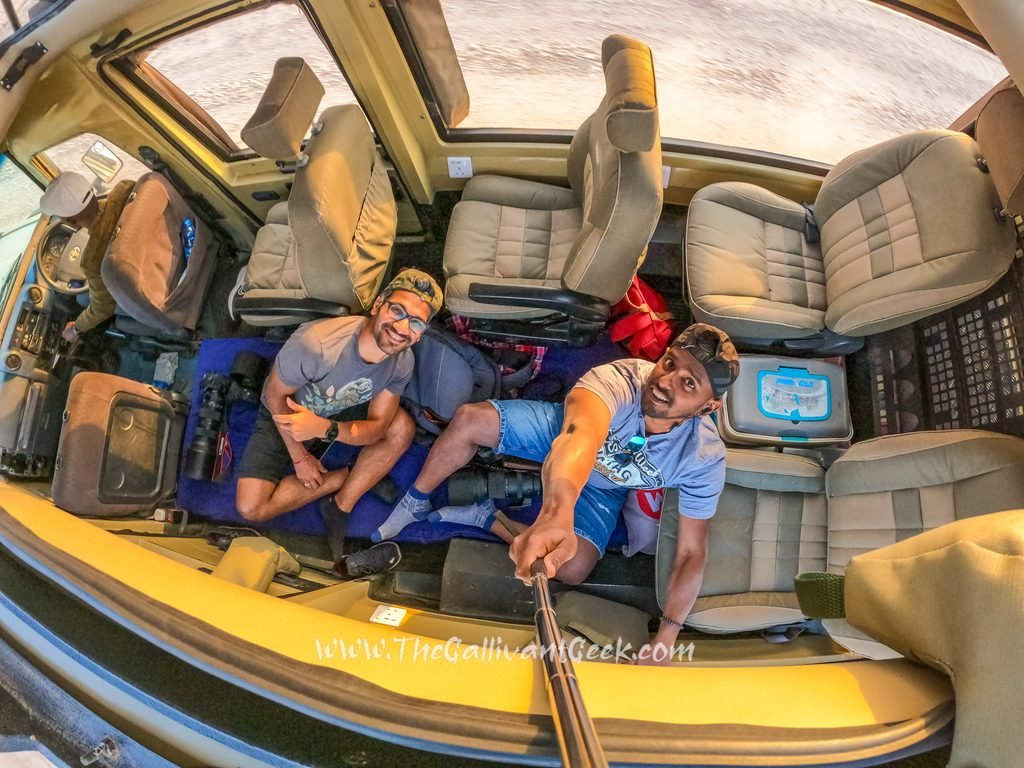
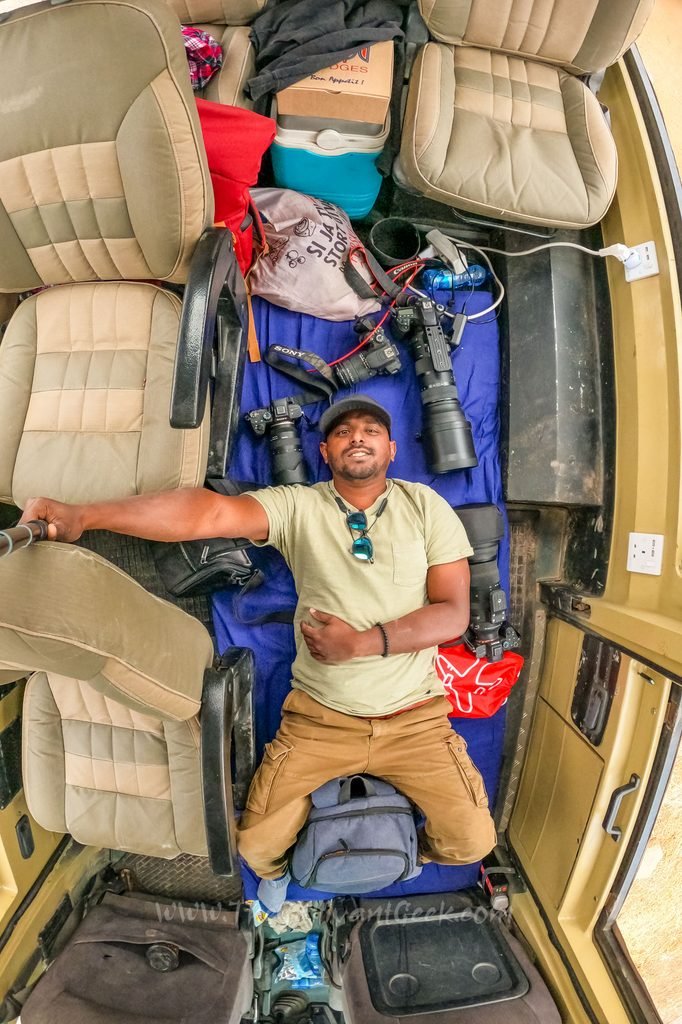
Our mobile studio: a mattress on the vehicle floor, so we could shoot without bending our backs
Arriving in Nairobi
Our flight landed at around 3 a.m. The immigration queue was long, and we finally walked out of the airport at about 4:30. Right outside there were small kiosks for currency exchange and SIM cards. We exchanged about USD 100 into Kenyan shillings for small purchases and tips (almost everything else was prepaid) and bought a local SIM card, which was handy throughout the trip.
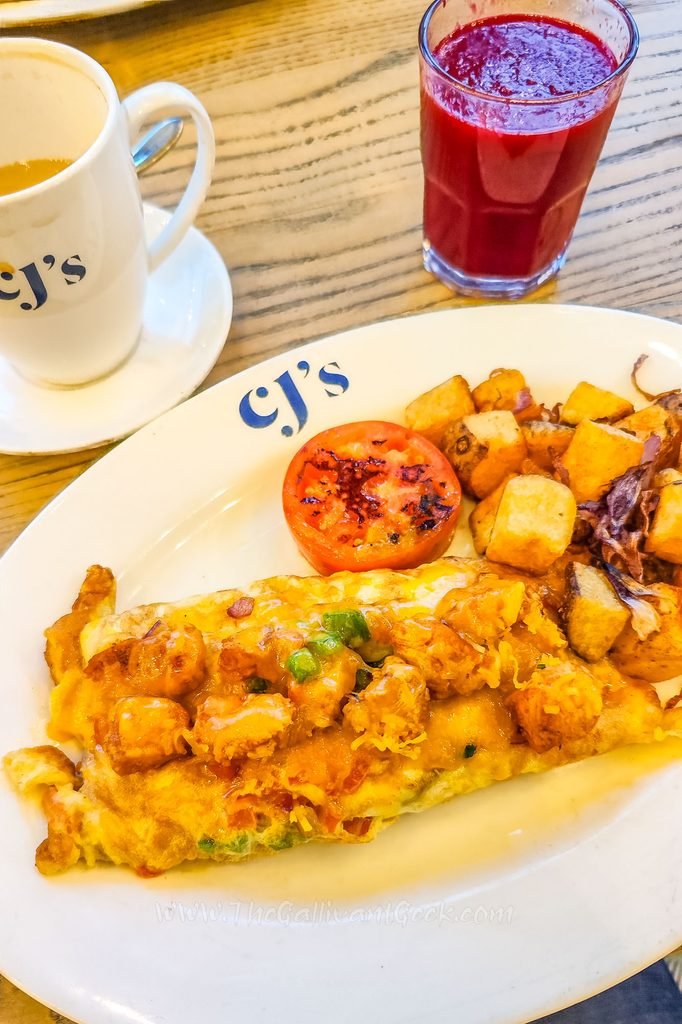
Our driver-guide met us at around 5 a.m. and took us for an early breakfast. It was delicious: our first meal in Kenya, and in Africa! Then we set off on the roughly 4-hour drive to Amboseli. After the night flight, we slept for most of the way.
Since we were only two, we had asked our driver to put a mattress on the floor of the vehicle. Instead of sitting on the seats and bending our backs for every photo, we could sit comfortably on the floor with our cameras ready. It became our mobile studio for the whole trip (more in my safari camera gear post, coming soon).
Days 1–2: Amboseli National Park
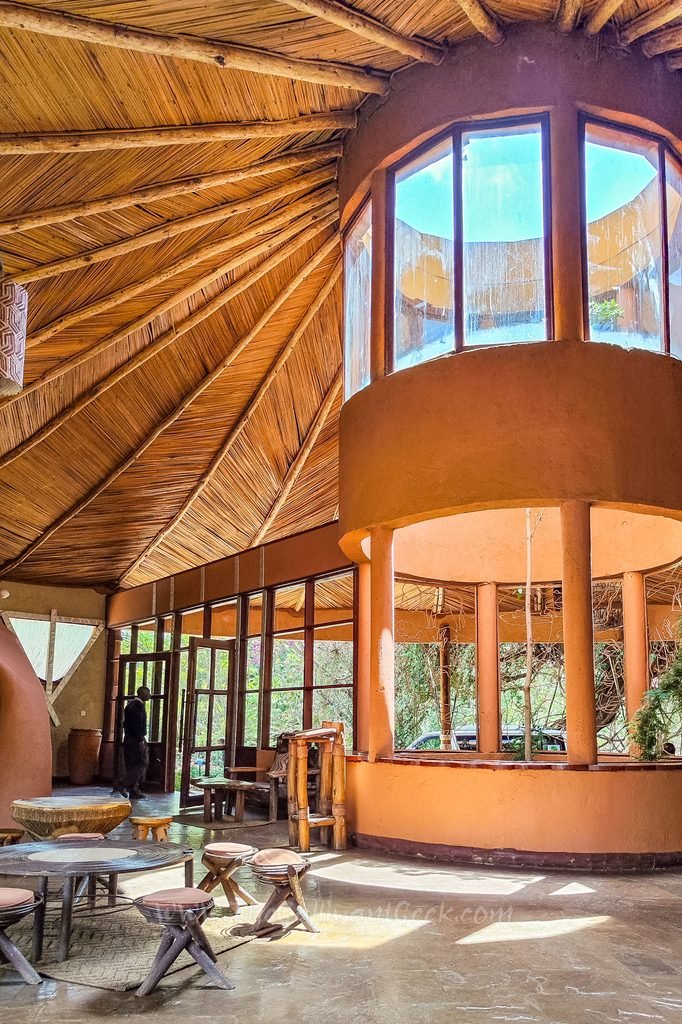
At the lodge we were welcomed with a cold drink and a damp face towel, which felt amazing after the long journey. After some rest and a lunch buffet, we headed out on our very first game drive.
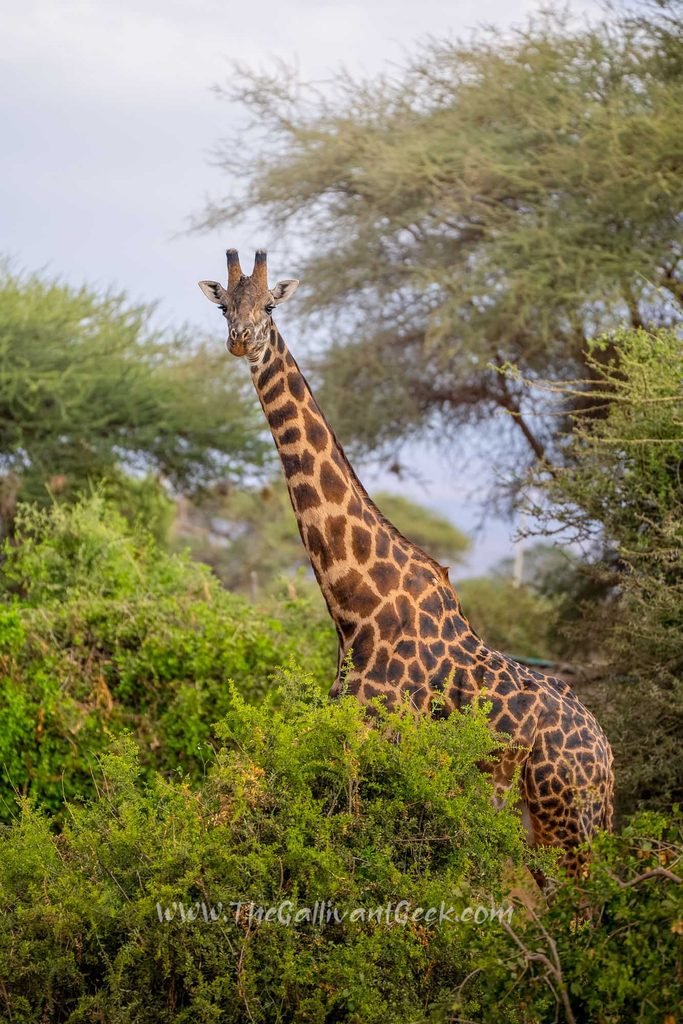
I didn’t know what to expect. The first animal we saw was a giraffe, my first wild giraffe ever. Before that, I had only seen them in a zoo as a child. Then came an elephant, and the clicking began. Next was a pair of ostriches, then zebras, antelopes and gazelles. We even spotted lions, though they were far away.
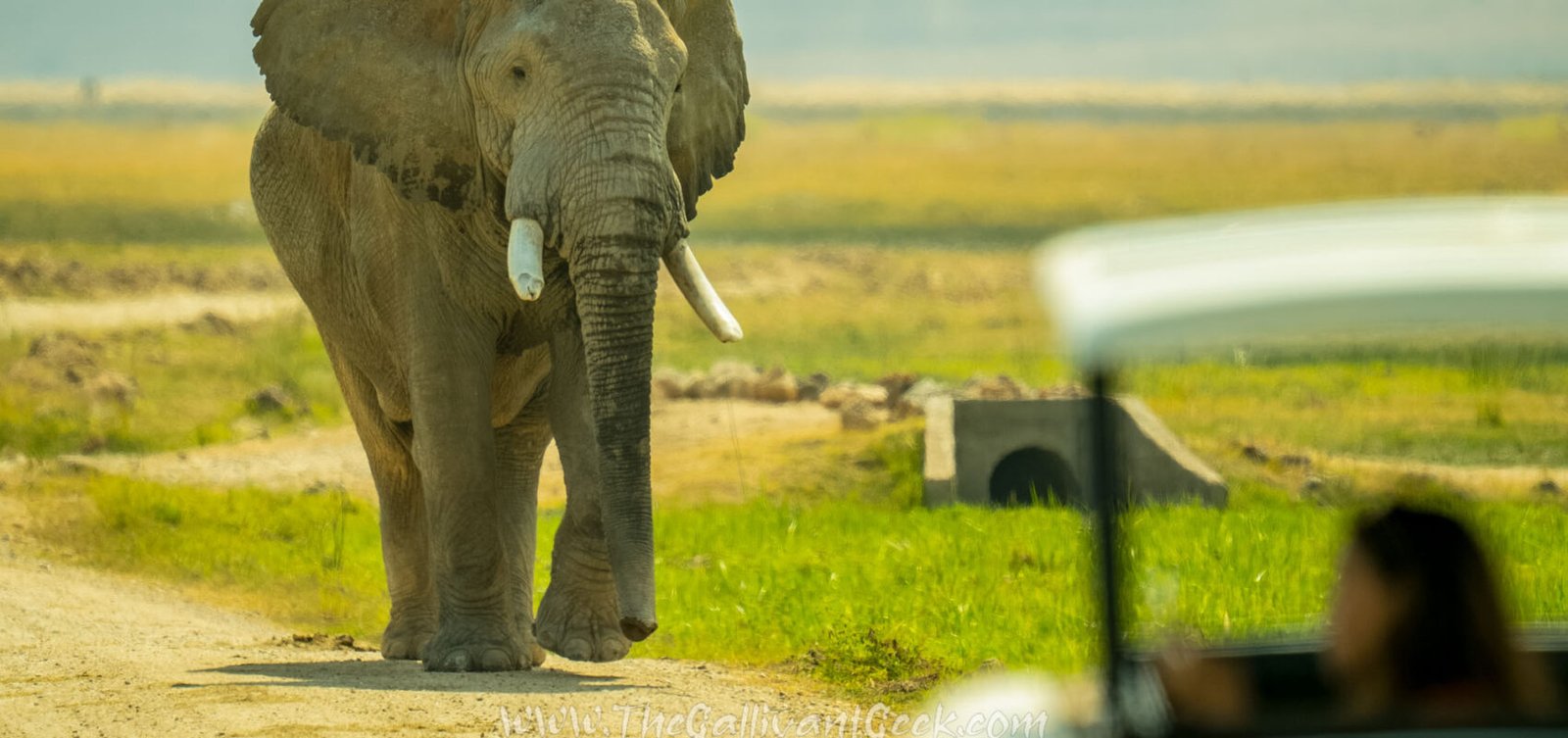
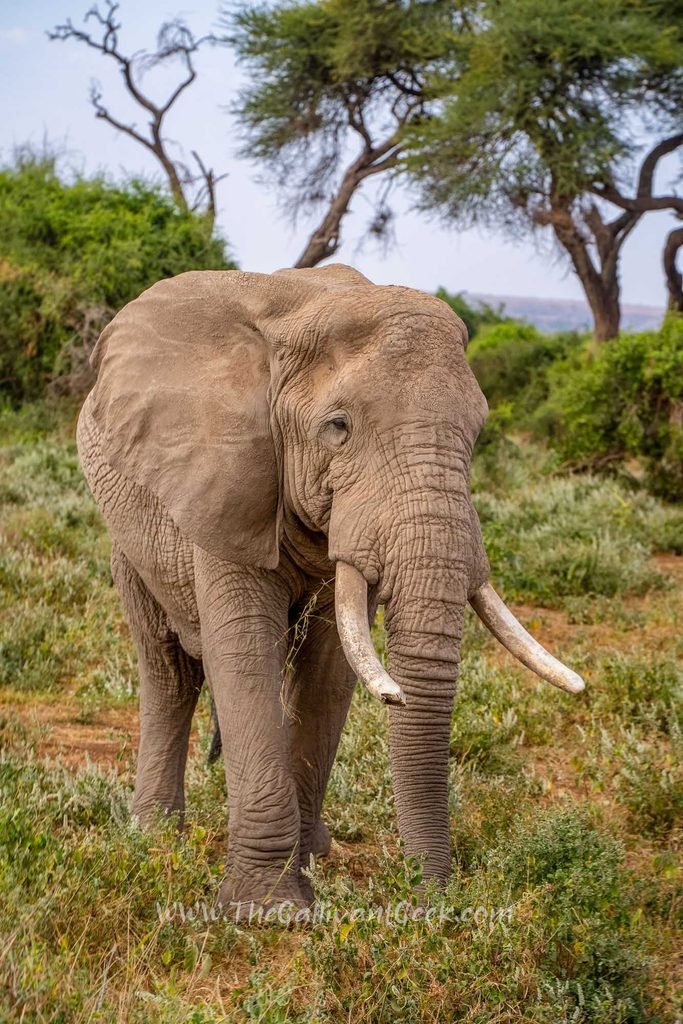
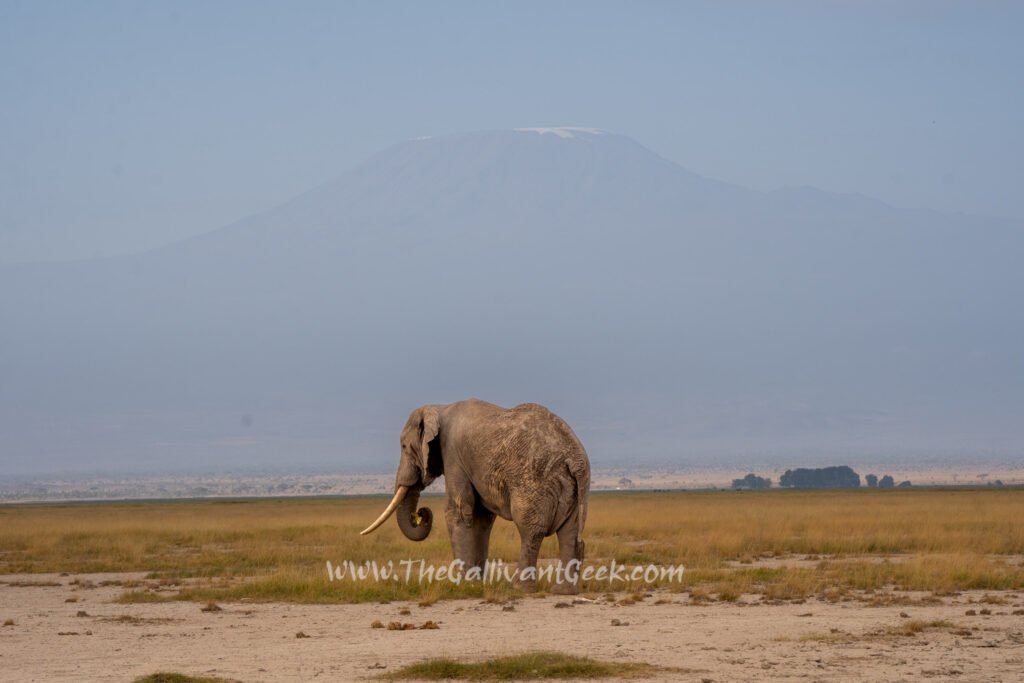
Amboseli is famous for its elephants. The park is home to roughly 1,800 elephants, one of the most studied wild elephant populations in the world. We saw hundreds of them, along with hippos and plenty of birds. Behind them, on a clear day, rises Mount Kilimanjaro, Africa’s highest mountain at 5,895 m, just across the border in Tanzania. For us it stayed mostly hidden in the clouds, but I did get a few frames of elephants with the mountain faintly in the background. The best chance of a clear view is usually early in the morning.
Amboseli’s elephants, with Kilimanjaro hiding in the clouds
On day two we had the highlight of Amboseli: Craig, the legendary super tusker. He was outside the park boundary that day, and a local tracker who follows his movements guided us to him. We spent about 45 minutes within 10 metres of him. I’m writing a full post about meeting Craig, Amboseli’s great tusker (coming soon).
Our evenings followed the same routine for the rest of the trip: dinner buffet, transfer the photos to a hard drive, charge every battery, lay out clothes for the next morning and go to bed early. At the lodge we also met several other wildlife photographers, and it was great to swap stories with like-minded people.
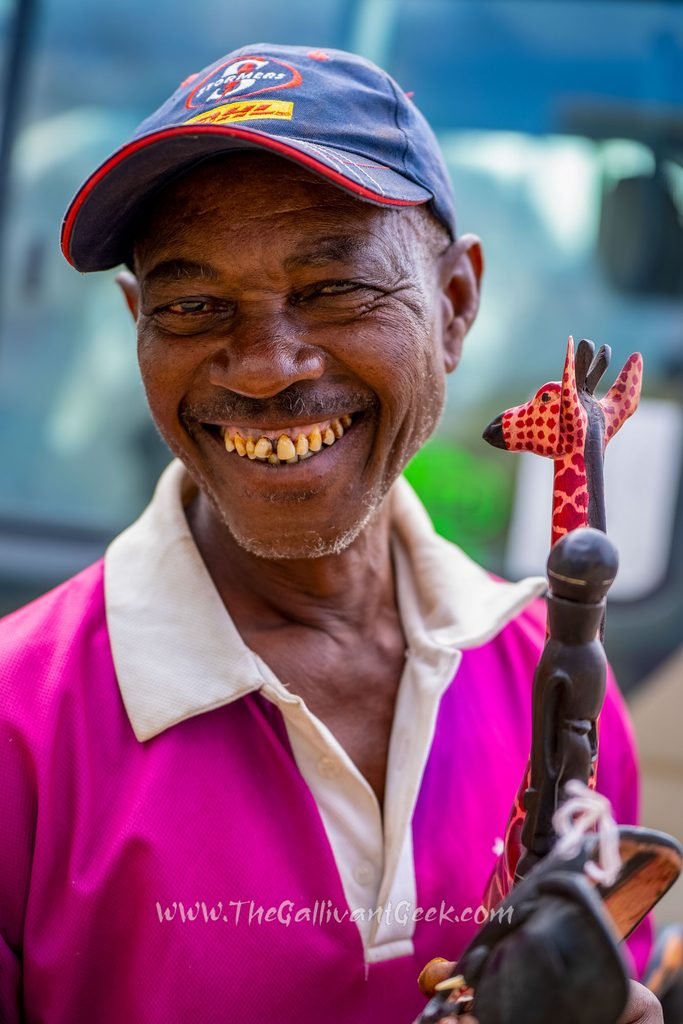
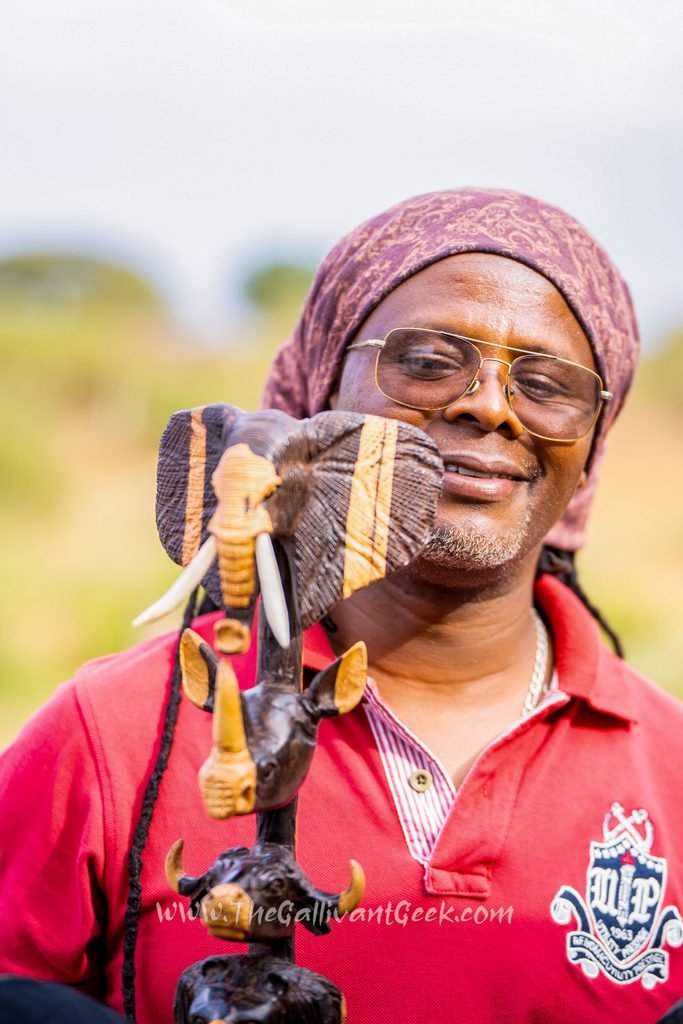
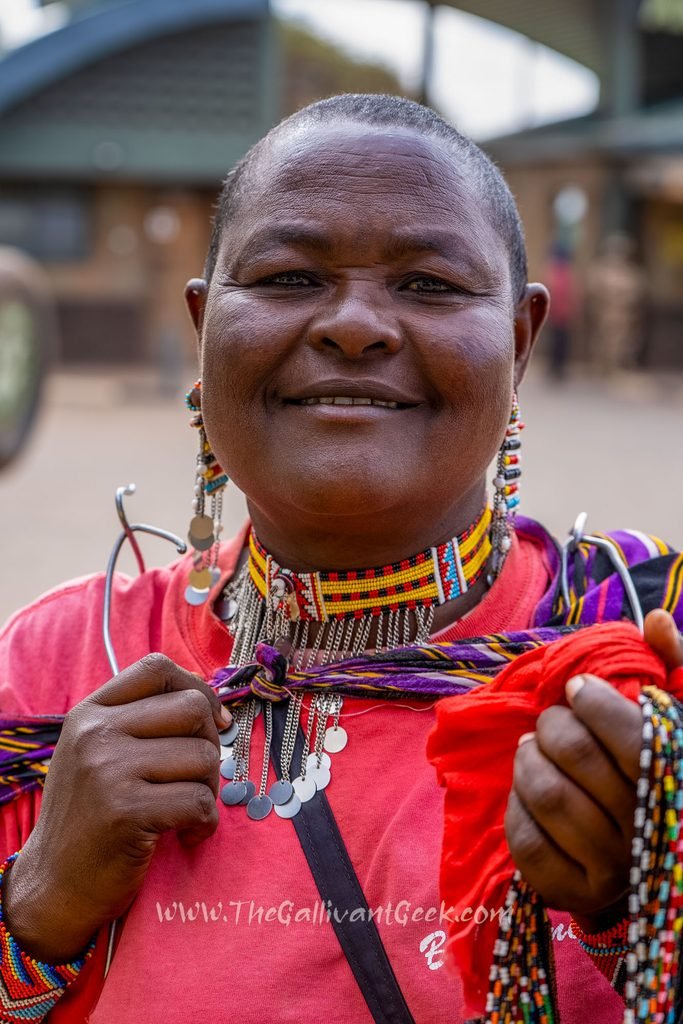
Tip: near the park gates, local people sell handmade souvenirs. I’d recommend buying from them rather than from the big souvenir shops. Your money goes straight to the community.
Day 3: Lake Naivasha Boat Ride
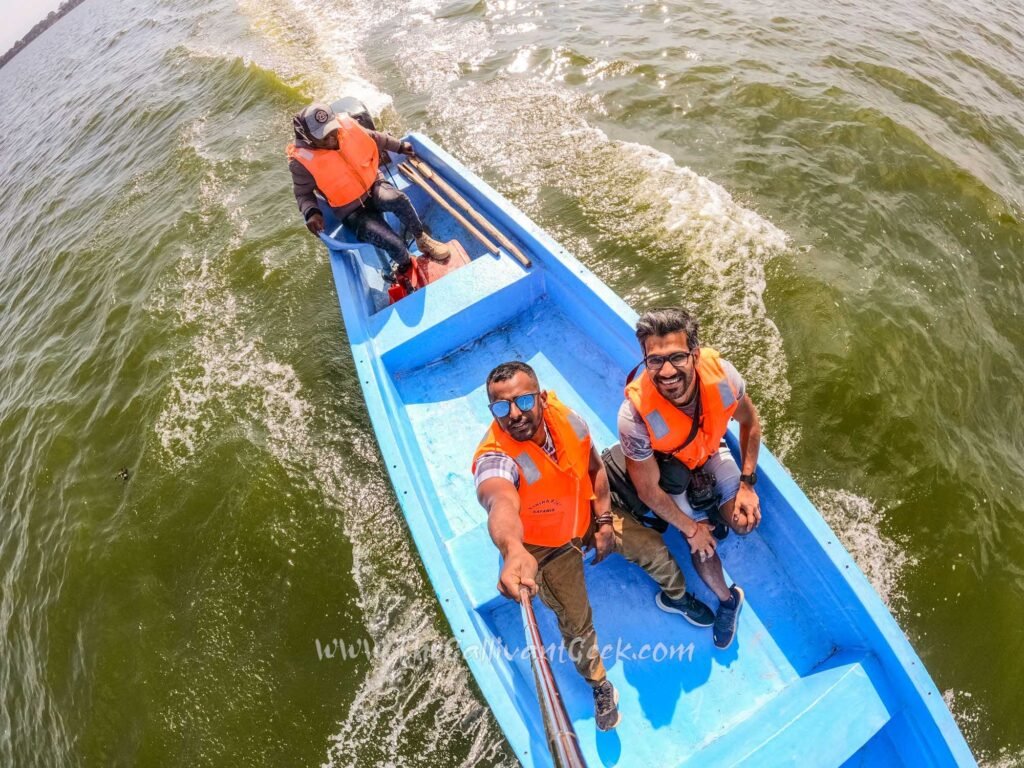
Day three was mostly a travel day, from Amboseli to Lake Nakuru. It was a long drive, so we decided to break it up with a stop at Lake Naivasha, a freshwater lake in the Rift Valley. This wasn’t part of our package, so we paid separately: USD 30 per person for a one-hour boat ride.
Our one-hour boat ride on Lake Naivasha
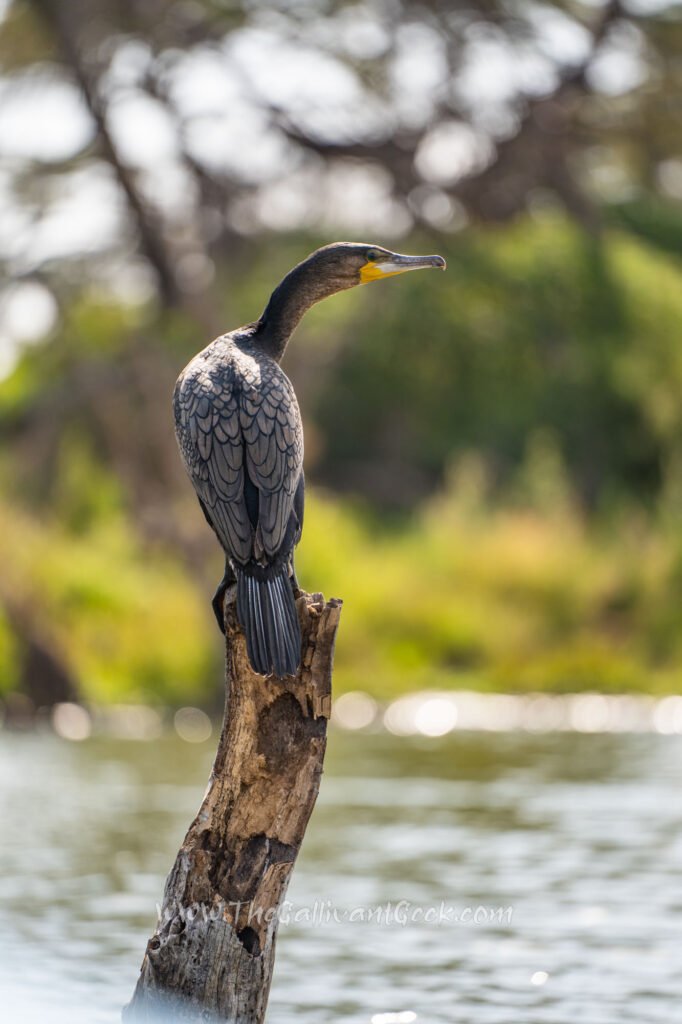
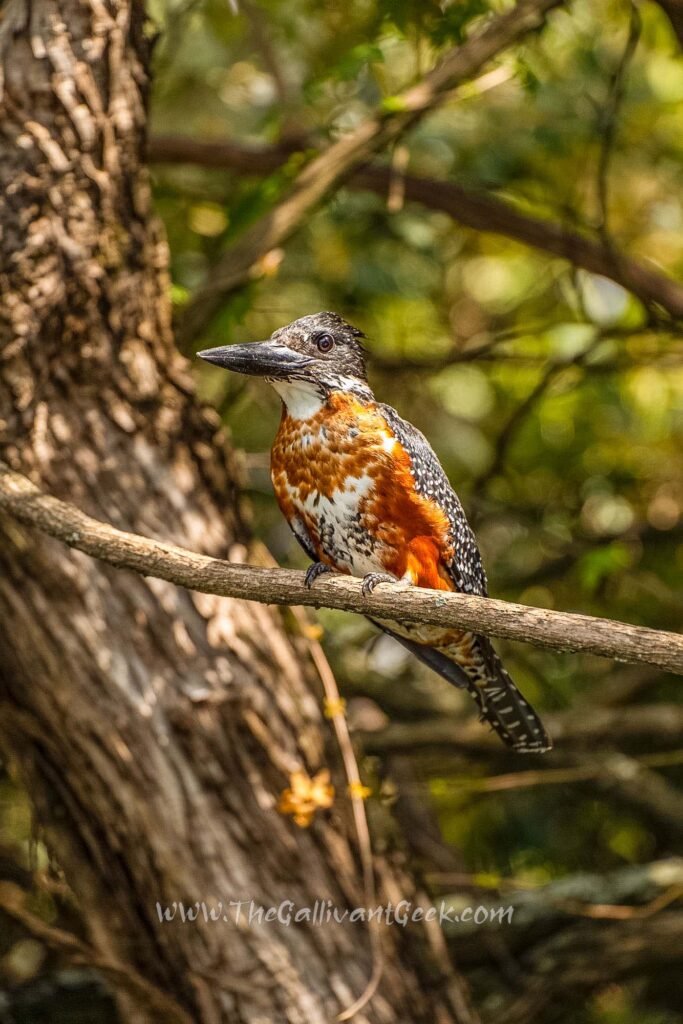
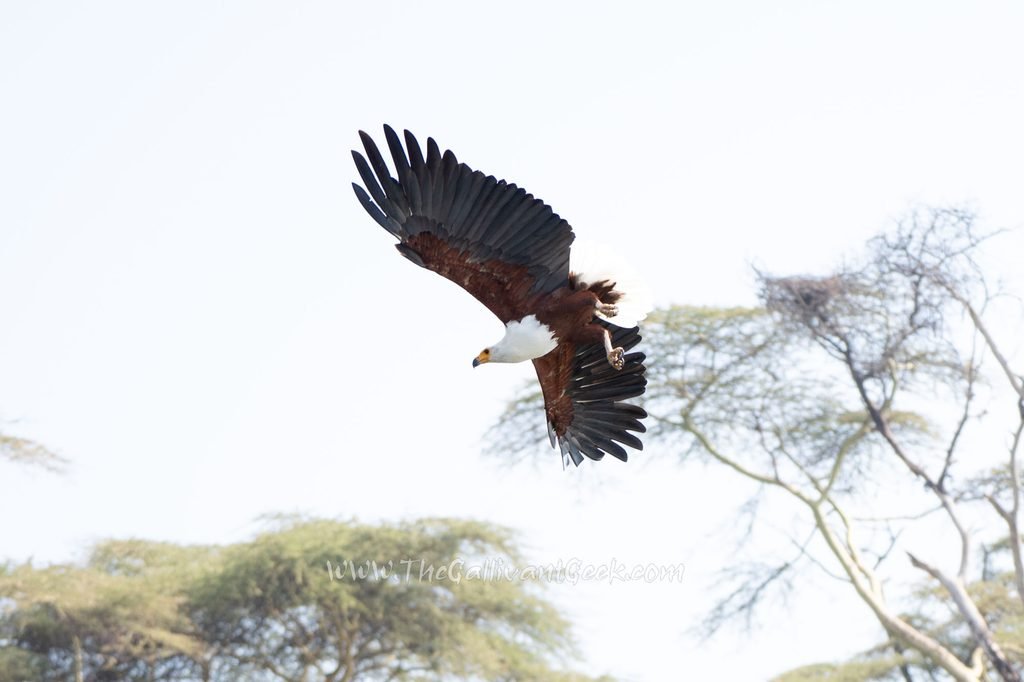
It was a lovely change of pace. We photographed great cormorants, a giant kingfisher and the lake’s star bird, the African fish eagle. Our boat guide was a friendly guy who explained a lot about the birds and the lake.
Days 3–4: Lake Nakuru National Park
By the time we reached Lake Nakuru the sun was already setting, so we went straight to our lodge. It was inside the park, which meant we could head out for an early-morning game drive the next day.
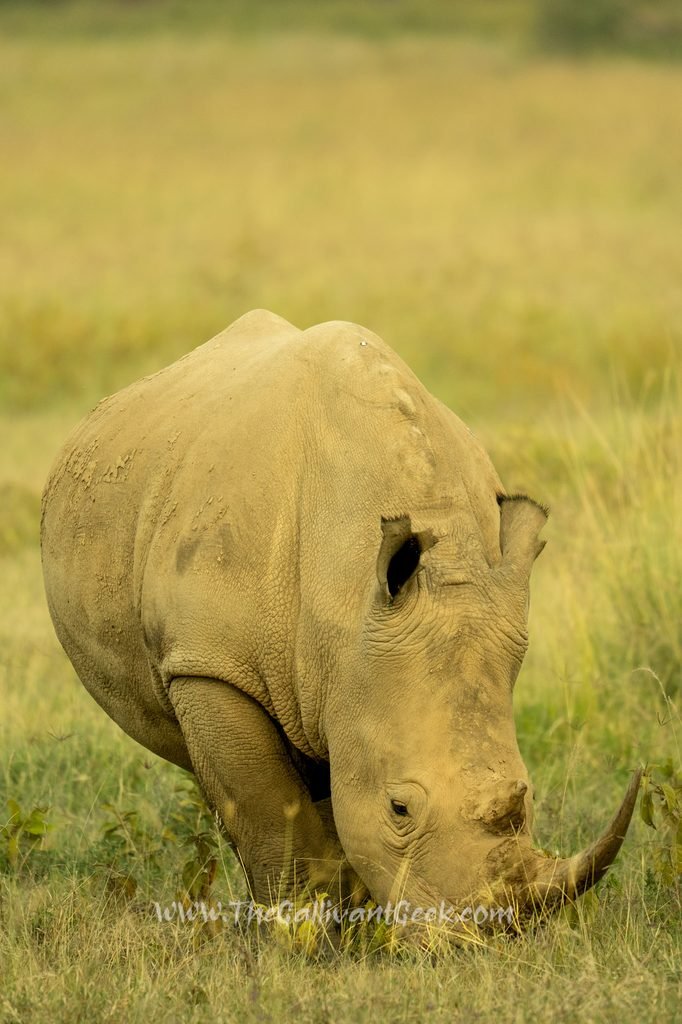
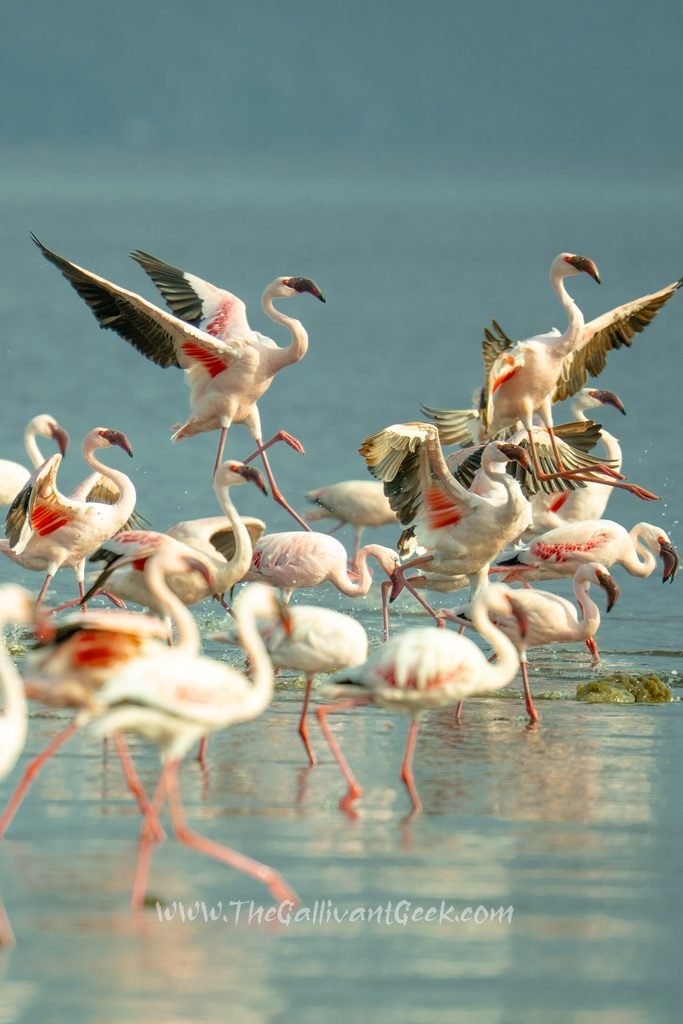
Lake Nakuru is a fenced rhino sanctuary and one of the best places in Kenya to see both black and white rhinos. We saw rhinos and flamingos along the lake shore (their numbers change a lot depending on water levels). The park is also a refuge for the rare Rothschild’s giraffe.
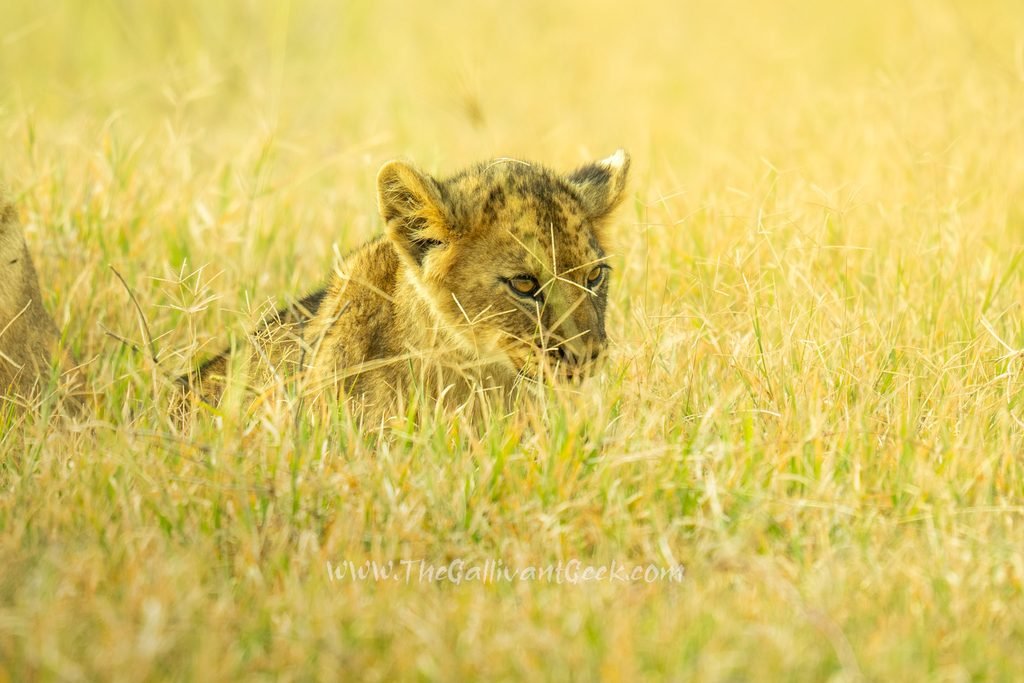
Nakuru also gave us our first really close lion encounter: a lion and lioness with their cubs. The cubs kept hiding in the grass, so I couldn’t get the shot I wanted, but I did manage a few frames. I remember sitting in the open vehicle thinking, what if the lion decides to come in? Our driver-guide, who grew up in a local village, was completely calm and confident, and that trust made all the difference.
Our first close lion encounter, at Lake Nakuru
We stayed on the game drive until about 3 p.m. and then set off for the place we had been dreaming about.
Days 4–9: The Masai Mara
We arrived in the Masai Mara in the evening and checked in to a tented camp inside the reserve. The staff welcomed us with a traditional song, and it was the first time I saw local people in traditional dress. What a welcome.
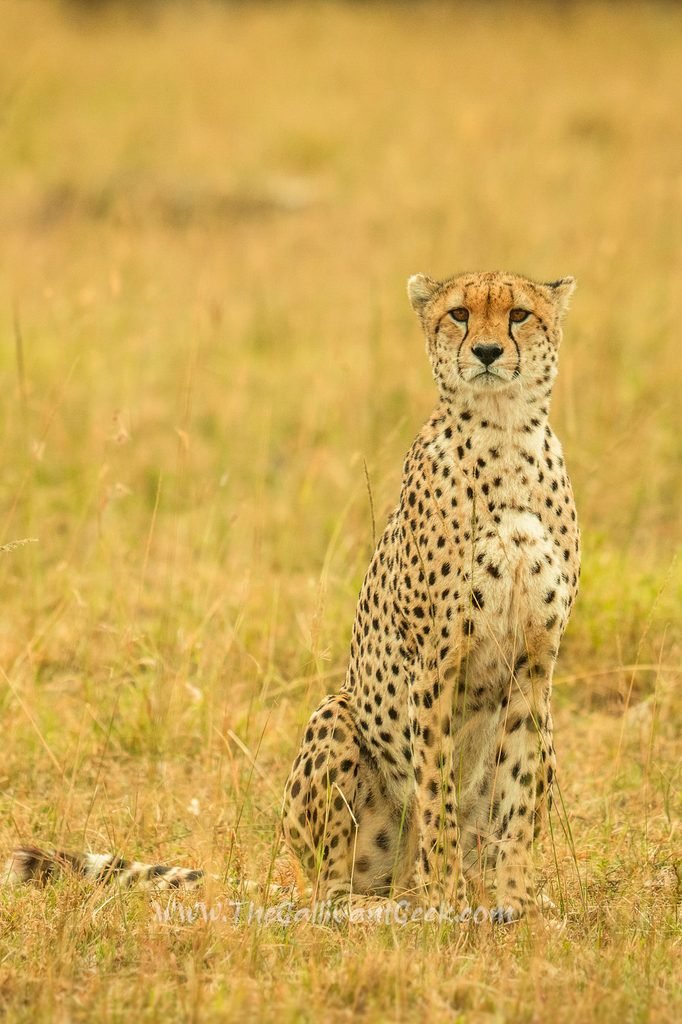
The next four days were full-day game drives from about 5:30 in the morning until 6:30 in the evening, with packed breakfast and lunch in the field. We watched Luluka the leopard climb a tree, two cheetah brothers mark their territory, a lion lie down right next to our open vehicle, and an elephant mother chase us away from her baby. It deserves its own post, and the full story of our five days in the Masai Mara is coming soon.
Day 9: Maasai Village and the Journey Home
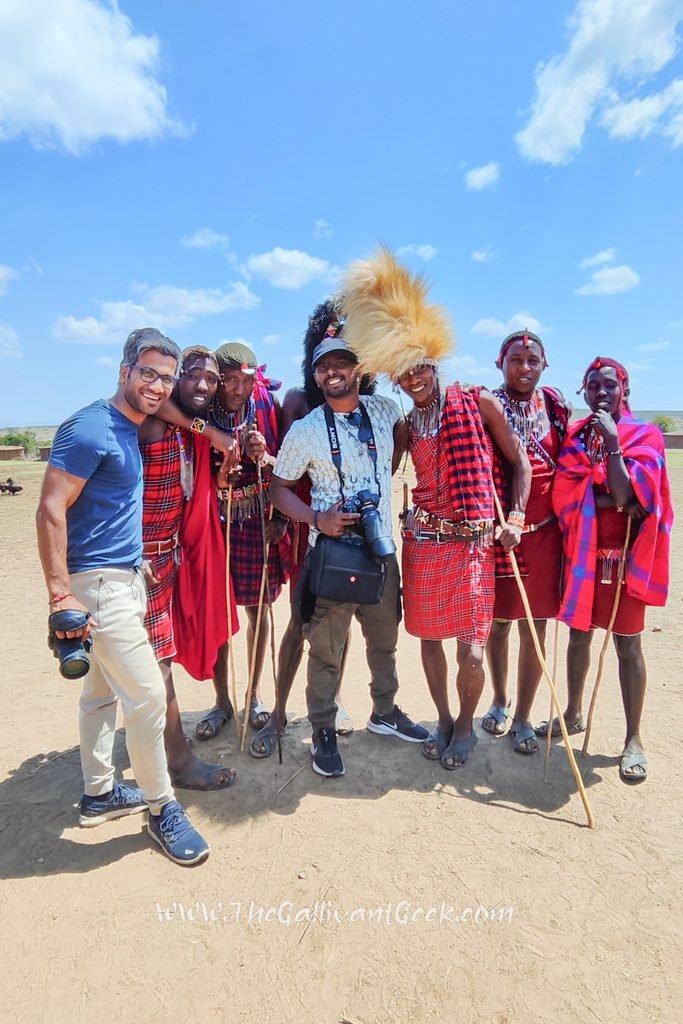
On our last morning we did one final game drive and spent a few hours with a lion couple, a perfect goodbye. Then we went back to camp, freshened up, packed and visited a nearby Maasai village (more on that in a separate post, coming soon).
In the afternoon we drove back to Nairobi. Our tour organisers kindly hosted us for dinner at a big shopping mall, which gave us time to buy a few things to take home. Our flight left at 4 a.m., so instead of paying for a hotel for just a few hours, we went straight to the airport at midnight.
A personal touch from our camp on the last day
Was 9 Days Enough for a Kenya Safari?
For a first safari, nine days felt about right. It was enough time to see four very different parks without feeling rushed. There are long drives between them, though, so if you’re building your own Kenya safari itinerary and have extra days, I’d spend them in the Masai Mara. Every extra day there brings new sightings.
Kenya Safari Itinerary FAQ
How many days do you need for a Kenya safari?
Seven to ten days is ideal for a first safari. Our 9-day route covered Amboseli, Lake Naivasha, Lake Nakuru and the Masai Mara by road without feeling rushed.
How long is the drive from Nairobi to Amboseli?
It took us about 4 hours by road from Nairobi to our lodge near Amboseli National Park.
Is Lake Naivasha worth a stop?
Yes, if you are driving between Amboseli and Lake Nakuru. The one-hour boat ride cost us USD 30 per person and was great for water birds and eagles.
Which is better, Amboseli or the Masai Mara?
They are very different. Amboseli is best for elephants and Kilimanjaro views, while the Masai Mara has more big cats and the Great Migration. If you can, visit both.
Coming soon from this trip: Kenya safari tips (what to wear, weather and park rules) and the camera gear I took on safari. If you love wildlife trips, you might also like my Atlantic puffin photography trip to Runde, Norway.
Reading this and dreaming of your own safari? I’m putting together a small-group wildlife photography tour to Kenya next summer, in mid-July: about 10 days, timed for the Great Migration, with a photographer’s pace, long days in the field and plenty of time at every sighting. Send me a DM on Instagram at @mnmshakir and I’ll share the details.